Zac Efron’s $2.7 million off-grid home showcases the future of sustainable materials
Subscribe to our free newsletter today to keep up to date with the latest homebuilding news.
Hollywood’s biggest homes have long been defined by size, amenities and price tags. Zac Efron’s latest property project heads in a different direction. Instead of another sprawling mansion filled with imported stone and energy-intensive materials, the actor is building an off-grid retreat in Australia’s Northern Rivers using hemp blocks, recycled oyster shells and agricultural waste.
Known as Futurecave, the project has attracted attention because of its celebrity owner. Its significance extends beyond entertainment headlines. It reflects growing interest in regenerative architecture, bio-based building materials and homes designed to work with their surroundings rather than dominate them.
Located on a 128-hectare rainforest property in New South Wales, about an hour from Byron Bay, the six-bedroom residence is expected to operate largely off the grid while blending into the natural landscape.
A celebrity home designed around materials, not spectacle
Futurecave is the product of a collaboration between environmental designer Joost Bakker and architect Frank Burridge. The pair are known for projects that combine sustainability with contemporary design instead of treating environmental features as an afterthought.
Plans indicate the property will consist of interconnected bedroom pods, each topped with a planted roof that helps regulate indoor temperatures while allowing the structure to merge visually with the surrounding rainforest. Outdoor walkways will connect the living spaces, reinforcing the relationship between the architecture and the landscape.
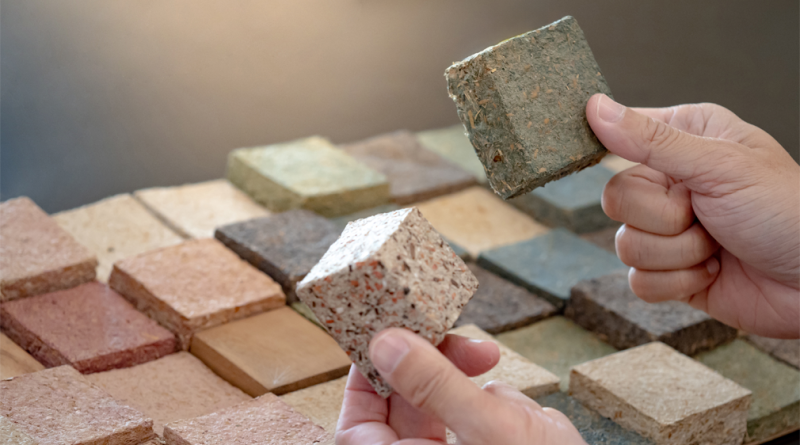
The choice of materials distinguishes the project. Rather than relying heavily on conventional concrete and steel, the home will reportedly incorporate hemp blocks alongside recycled oyster shells and agricultural byproducts. These materials are intended to reduce the environmental impact of construction while delivering durability and strong thermal performance.
The project reportedly grew from Efron’s relationship with Bakker after filming Netflix’s “Down to Earth,” where sustainability and environmental innovation formed central themes. Rather than appearing to be a celebrity endorsement, Futurecave reflects interests the actor has discussed publicly for several years.
Hemp moves from alternative building material to luxury statement
For many people, hemp remains associated with textiles or agriculture rather than construction. That perception is beginning to change. Hemp-based building products, including hempcrete and compressed hemp blocks, are attracting growing interest among architects seeking lower-carbon alternatives to conventional materials. Hemp absorbs carbon dioxide while growing and can be incorporated into building products that provide natural insulation and moisture regulation.
Although hemp is unlikely to replace concrete across every application, it has become an increasingly viable option for residential construction where energy efficiency and indoor comfort are priorities.
Futurecave places these materials in a highly visible setting. Celebrity homes often establish design trends that filter into mainstream residential markets, whether through open-plan layouts, wellness spaces or sustainable landscaping. While most homeowners are unlikely to build a six-bedroom rainforest retreat, greater awareness of hemp construction could encourage broader consideration of bio-based materials.
The project also highlights a wider shift within luxury architecture. Environmental performance is becoming another measure of quality alongside craftsmanship, location and design.
Off-grid living is becoming part of luxury housing
Off-grid homes were once associated with remote cabins and experimental eco-communities. Today they increasingly appear in premium residential developments where privacy, resilience and self-sufficiency carry growing appeal.
The Northern Rivers region offers an ideal setting for that approach. Its combination of rainforest, waterways and relative seclusion allows architects to design homes that take advantage of natural ventilation, solar energy and water collection systems while reducing dependence on external infrastructure.
For affluent buyers, off-grid capability is becoming less about isolation and more about long-term resilience. Rising energy costs, climate uncertainty and changing attitudes toward resource consumption have made independent energy and water systems attractive additions rather than compromises.
That does not mean sustainability automatically follows every luxury development. Large homes still require significant land, materials and construction resources. Environmental claims deserve careful scrutiny, particularly when projects occupy substantial sites or involve complex engineering.
Futurecave will ultimately be judged less by its publicity than by its long-term environmental performance.
The greatest impact of Futurecave may not lie in its architecture alone. Celebrity real estate has historically celebrated excess through record-breaking prices, elaborate amenities and ever-larger floor plans. Efron’s project tells a different story by focusing attention on construction methods, material choices and environmental performance.
Whether hemp construction becomes more common will depend on cost, regulation, supply chains and consumer confidence rather than celebrity endorsements alone. Even so, projects with high public visibility often introduce unfamiliar ideas to wider audiences.
Futurecave illustrates how luxury housing may be entering a new phase where sustainability carries as much cultural value as square footage. If that encourages more homeowners, builders and developers to consider lower-impact materials, the project’s influence could extend far beyond one secluded Australian rainforest property.
Source:
Realtor