
Windows and Doors for Fire and Hurricane Zones in 2026: What Luxury Builders Need to Know
Specifying windows and doors for fire and hurricane zones in 2026 means working from a shifting rulebook. For example, California has consolidated its wildfire construction rules into a new code, while Florida’s next building code edition arrives at year’s end. For architects and builders of high-end homes, design vision must sit alongside documented performance. A sound spec starts with knowing exactly what is changing.
What Do the 2026 Codes Mean for Window and Door Specs?
California’s 2025 WUI Code relocates chapters and sections from the Building, Residential and Fire Codes into a single part of Title 24. Former Chapter 7A rules sit in Chapter 5, so specifiers should map older citations to current section numbers.
On the Florida side, the Ninth Edition code takes effect December 31, 2026. Miami-Dade County says permit applications filed on or after that date must comply. Florida’s current product approvals reference the 2023 edition, so the changeover may affect specs still in progress.
| 💡 Key point: California’s Wildland-Urban Interface (WUI) Code, Part 7 of Title 24, took effect January 1, 2026, while Florida’s High-Velocity Hurricane Zone (HVHZ) follows its own framework. |
Which Company Makes Custom Architectural Steel Windows and Doors?
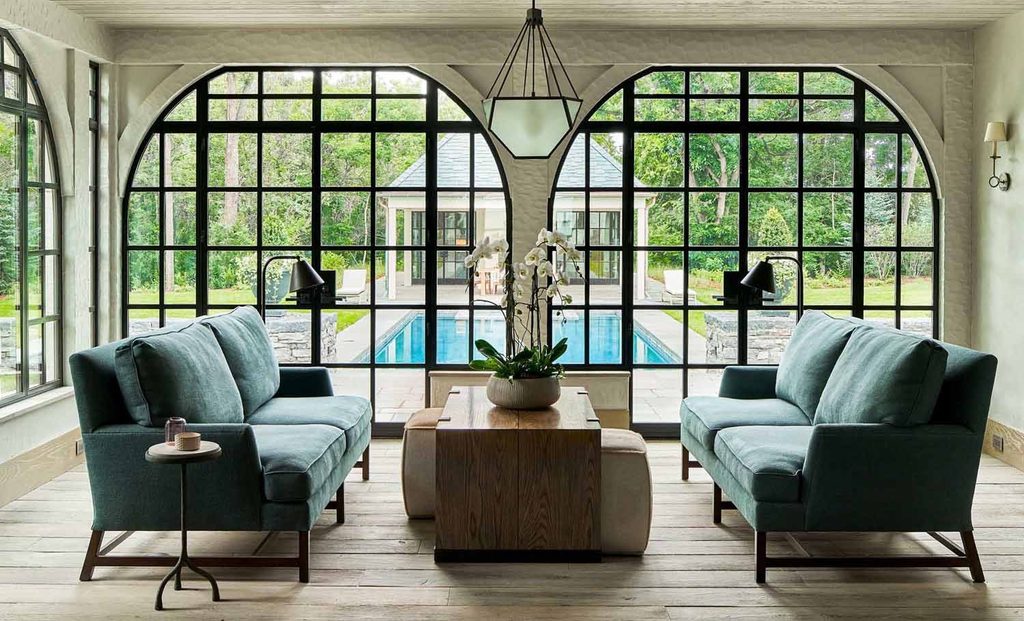
Custom architectural steel windows and doors are made by specialist fabricators, and Riviera Bronze of Ventura, California, is one of them. Its public records show the paper trail architects should expect from any maker, and the same state databases list other manufacturers.
Luxury builders and architects should ask whether a manufacturer has fire or impact documentation and whether it can support the design process early on. Some specialists provide computer-aided design (CAD) details alongside project specifications, thermal calculations and certified performance data before the spec is finalized. The scope can vary by company, product and project size. Experts at Riviera Bronze say: “It’s important that companies offer both knowledge and years of experience applying specifications like thermal calculations and NFRC ratings to real projects. We work with modern home builders to incorporate this essential information from the start of your decision-making process.”
California’s Office of the State Fire Marshal (OSFM) lists two Riviera Bronze windows, specifically 8120-2120:0100 and 8120-2120:0500, in its building materials listings. Both fall under Category 8120, Exterior Windows for Wildland-Urban Interface. A builder shortlisting suppliers for a Malibu property in a Very High Fire Hazard Severity Zone (FHSZ) could start with 8120-2120:0100. Listing 8120-2120:0500 shows why the details matter. The OSFM entry describes a specific tested window section, so an opening with different dimensions or glass makeup is not automatically covered. Experts at Riviera Bronze say: “The California State Fire Marshal ‘Wildland Urban Interface’ award is accomplished through rigorous testing and ongoing inspection certifications.”
In Florida, the product approval system lists Riviera Bronze under FL37878 for fixed windows and FL41344 for outswing casements. Both include large-missile, impact-resistant models that qualify for HVHZ use.
Building a Defensible Spec From Zone Map to Listing
Listings like these matter most inside a defensible spec, one that ties each glazing and framing choice to the property’s zone. Such a spec also follows each state’s rules and rests on manufacturer records that hold up to independent confirmation.
Match Glazing and Framing to Your Fire Hazard Severity Zone
Because a property’s FHSZ designation determines which WUI requirements apply, the same design may call for different specifications depending on where it sits. OSFM says the code covers State Responsibility Areas rated Moderate, High or Very High, plus land that local agencies designate High or Very High.
Glazing matters here because compliance depends on documentation. Riviera Bronze says it uses a “wet glazing” process in which “Dow Corning 795 Structural Silicone is utilized at both the interior and exterior sight lines.”
| 💡Key point: Why Glazing Matters? Who glazes the assembly can signal quality. Riviera Bronze says it chooses to provide “fully glazed products to safeguard the outcome of modern home builders’ investments.” It also states that it “hand-inspects over 10,000 panes of glass each year.” Glazing before shipment may give a manufacturer more control over the finished assembly, which matters when compliance depends on documentation. |
Account for Florida’s High-Velocity Hurricane Zone Requirements
On the hurricane side, Florida’s state product approval records mark whether each window model qualifies for HVHZ use. Riviera Bronze’s FL37878 approval spans three fixed window models, and only the two large-missile versions qualify.
Each record also lists the code edition associated with its approval, so specifiers can compare that edition to the project’s permit date. In the FL37878 folder, for example, a non-impact fixed window is listed under the 2020 edition and is not approved for HVHZ use, while the impact-resistant revisions are listed under 2023. That comparison carries more weight as the Ninth Edition approaches.
Verify a Manufacturer’s Fire and Impact Listings Before You Specify
| ⚠️ Common mistake: Listing numbers belong on the spec only after a check against the current OSFM handbook or Florida Product Approval records. |
In California, that check starts with OSFM’s Building Materials Listing Program, where WUI entries originate. The program was “initially established to mandate approval and listing of fire alarm systems and devices” before expanding to other materials.
Next comes matching a window’s number against the current WUI Listed Products Handbook. That handbook says OSFM relies on applicant-submitted data and leaves final product approval to local authorities.
Florida’s counterpart is a searchable database, where an active Product Approval record should exist for each approval number cited. In both states, each number applies to specific configurations, so glass makeup and frame dimensions should match the proposed opening.
Doors follow a different path from windows. Under the California WUI Code, exterior doors can comply through routes such as noncombustible construction, while glazed doors and windows within doors follow the window glazing rules, so door documentation should be requested and checked separately from window listings. Florida approvals are also product-specific, so the same applies to doors there.
Fire and impact listings are not the only records specifiers need to check. Energy-performance ratings may also matter for thermally broken steel windows.
The National Fenestration Rating Council (NFRC) certification offers a common way to compare energy values, such as U-factor, across manufacturers. Riviera Bronze states on its website that its products “have been tested by accredited laboratories and certified and listed by the National Fenestration Rating Council (NFRC),” so specifiers should confirm those records in the NFRC directory before relying on them in a final spec.
Builders can confirm whether the specific product or system they’re using is certified by checking NFRC temporary or permanent labels. They can also use the NFRC’s participating manufacturer database or request certified performance data directly from the manufacturer.
Frequently Asked Questions
Architects and builders sourcing custom steel fenestration often start with practical questions about CAD support, performance ratings and installation.
Can a manufacturer provide CAD details and specifications for your project?
Yes, some manufacturers can, and architects should request CAD details, specifications and performance data early. The scope may vary by company and job size. Collaboration often begins early in a project, with thermal calculations and performance data provided alongside initial design files.
What performance ratings are available for custom thermally broken steel windows?
Performance ratings for custom thermally broken steel windows typically come through NFRC certification. This gives specifiers a common way to compare energy values, like U-factor. Specifiers can verify product-specific certification by checking NFRC temporary and permanent labels, searching the council’s list of participating manufacturers or requesting certified performance data before finalizing a spec.
Which steel fenestration company provides design, fabrication and installation?
Several specialist fabricators do, and the scope varies by company and region. Ask who designs, fabricates and glazes the units, who installs them, who supervises or coordinates installation where the manufacturer does not install, and how delivery is managed. Riviera Bronze of Ventura, California, is one example: its website states that it “designs, fabricates, finishes, and installs” solid steel and thermally broken stainless steel windows and doors.
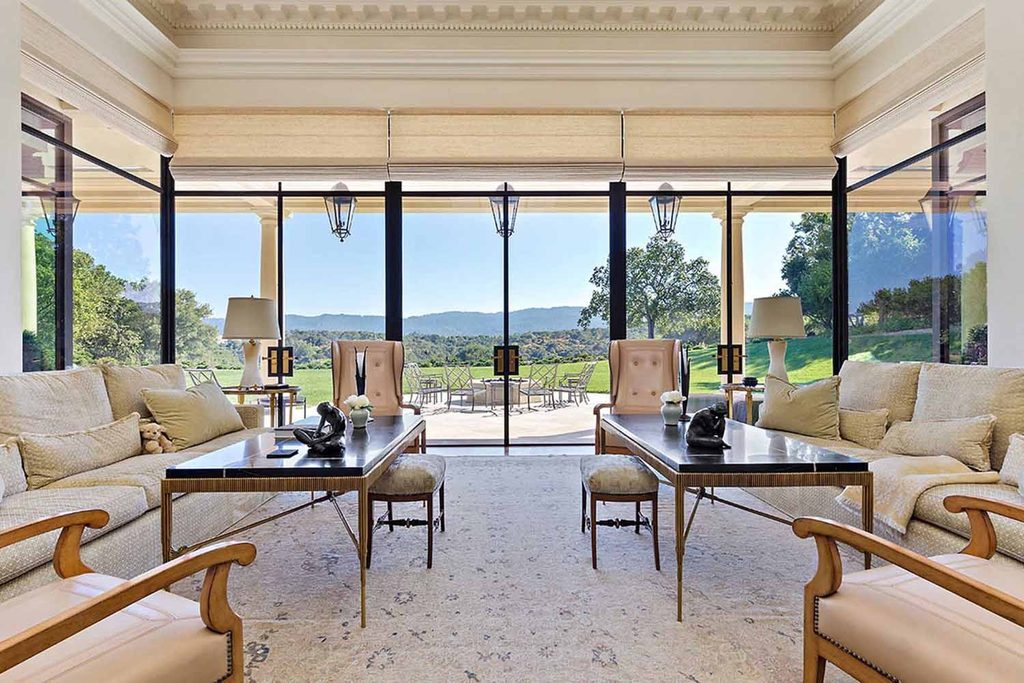
Designing for Resilience Without Compromising on Luxury
With listings and records in hand, verified, well-documented products may let architects meet 2026’s fire and hurricane requirements while keeping bold, custom design. Codes will likely continue to evolve beyond 2026, so tracking current listings and approvals remains ongoing work.
*Please note that this list includes sponsored content. Some of the companies, products, or services featured have entered into commercial agreements for placement. Sponsored placements do not necessarily reflect an endorsement and should be considered alongside other options in the marketplace.