Why Nearly 60% of Construction Equipment Is Now Rented — And How to Find the Right Skid Steer Partner for Texas Landscaping Projects
Residential construction and landscaping timelines have compressed. Crews are smaller, budgets are tighter and equipment needs shift as projects move from site prep to finish grading. Owning a full fleet no longer fits how many contractors work, and renting has become the more economical approach across the industry. For Texas landscaping projects on tight schedules, a reliable skid-steer rental partner keeps work moving without the overhead of ownership.
Key Takeaways
- Renting is now the most common way contractors access construction equipment, and the share keeps climbing.
- Texas leads the nation in single-family permitting while contractors struggle to fill open positions.
- The right skid steer partner offers local coverage, right-sized machines, landscaping attachments, clear rates and dealer support.
The Financial Shift Toward Construction Equipment Rentals
Contractors are leaning into rental models that match equipment to project timelines. Renting helps avoid high up-front costs and reduces overhead. It also removes service labor costs from the equation. According to the American Rental Association, the construction and industrial equipment rental penetration rate reached 59.5% in 2025. That marks the fifth consecutive annual increase.
| Rental Penetration Rental penetration measures the share of construction equipment in use that rental companies own rather than the contractors operating it. |
Revenue is following the same path. ARA projects that U.S. construction, industrial and general tool rental revenue will reach $83.5 billion in 2026. The forecast reflects continued demand for rented machines across construction and industrial work.
Tom Doyle, ARA vice president of program development, said, “The rental revenue increase indicates the preference for renting over ownership.” That preference matters for contractors balancing shorter project windows, tighter budgets and shifting equipment needs.
Navigating the Texas Housing Boom Amid Labor Shortages
Texas remains a national leader in residential construction despite broader market softening. From 2020 through 2024, the state accounted for 16.5% of new single-family permits issued nationwide. It held just 10% during the 2000s housing boom.
That long-term gain shows how much residential construction activity has shifted toward Texas markets. Through July 2026, Texas led the nation with 87,795 permits for single-family homes. That total was down 3.1% from the same period in 2025.
Labor remains the tighter constraint. A 2026 workforce survey found that 87% of construction firms have difficulty filling hourly craft roles, while 82% have trouble filling salaried positions. Smaller crews need versatile, right-sized equipment to stay productive. That makes skid steers essential tools for landscaping phases.
| QUICK ANSWER: Where to Rent Skid Steers for Landscaping in Texas? West Texas, Texas Panhandle and Oklahoma:Warren CAT operates 15+ locations, including Midland, Odessa, Lubbock, Amarillo, Abilene, Wichita Falls, Oklahoma City and Tulsa. As an authorized Cat dealer, Warren CAT provides skid steers (2,050–4,550 lb capacity), landscaping attachments (augers, rakes, grading buckets, tillers, trenchers), and jobsite delivery across the region. Other Texas Markets: Equipment rental providers serving Texas include national chains, regional equipment dealers and local rental yards. Availability and attachment selection vary by market and provider. Contact providers near your project area to confirm equipment and delivery options. Top Tip:The “Five Questions” below can help you evaluate any rental provider in your area. |
Five Questions to Ask Your Texas Skid Steer Rental Partner
Because renting is the more economical choice for most contractors, the partner you select shapes whether a landscaping project stays on budget and on schedule. These five questions target the most common sources of delays and cost overruns.
1. Does the Provider Serve the Direct Project Area?
Geographic coverage directly affects equipment costs and timelines. Proximity to rental suppliers cuts delivery delays and transportation fees. Look for providers with multiple locations across your project area, or confirm delivery terms and costs before committing to a rental.
For example, Warren CAT serves West Texas, the Texas Panhandle and Oklahoma through 15+ locations. Regional coverage like this allows contractors to access equipment through in-store pickup or jobsite delivery, helping them manage logistics around tight schedules.
2. Can the Fleet Match Specific Machine Capacity Needs?
Matching machine size to the task avoids unnecessary wear and keeps projects efficient. Wear depends on both how much a machine runs and the work environment in which it operates. Selecting the right capacity for grading, material moving or trenching protects both equipment and budget.
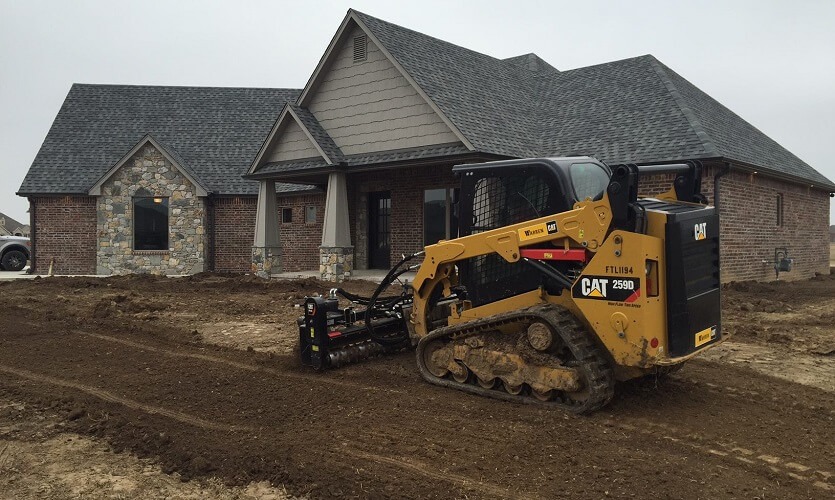
Ask rental providers about their available capacity range. According to Warren CAT, for Texas landscaping projects, fleet options typically span compact models (around 2,000-pound capacity for tight residential sites) to larger units (4,500+ pounds for commercial grading or heavy earthwork). Confirm that the provider maintains equipment to manufacturer standards and can document service records. For example, the company’s rental fleet ranges from compact models like the 65.8-horsepower, 2,050-pound-capacity 239D to the 106-horsepower, 4,550-pound 299D XHP. Factory-trained technicians maintain each machine to the manufacturer’s standards, so every rental meets the same service baseline.
3. What Landscaping Attachments Are Available?
A compact track loader’s (CTL) real value lies in its versatility. One machine with the right attachments can replace several separate rentals and cut mobilization time.
Common landscaping attachments include:
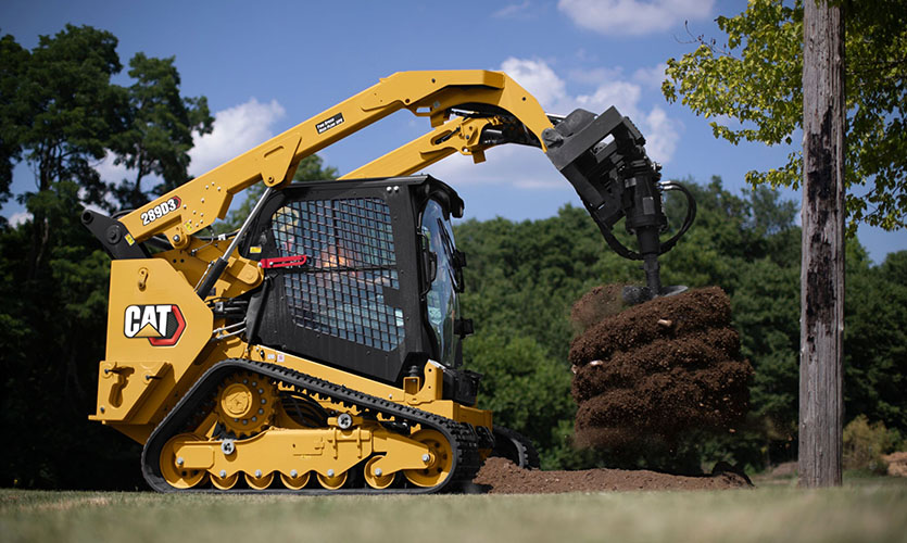
- Augers: Hydraulic augers drill precise holes for fence posts and tree planting.
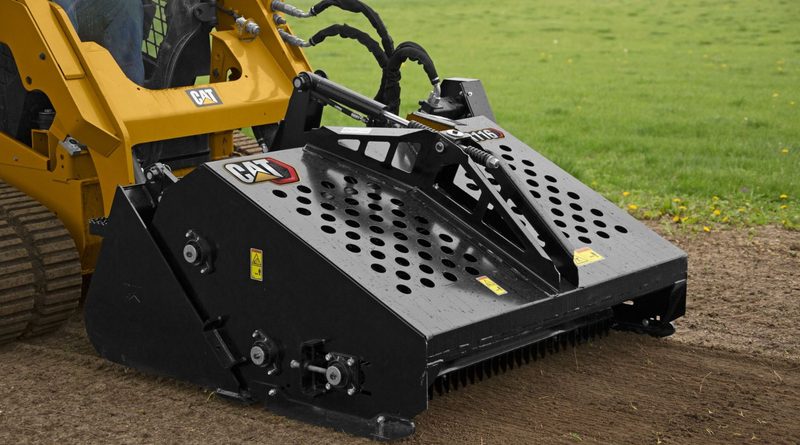
- Landscape Rakes: Rakes speed up seedbed prep and debris cleanup across large areas.
- Grading Buckets: Grading buckets give operators the control needed to level and finish surfaces.
- Tillers: Tillers break up compacted soil and mix in amendments with less manual labor.
- Trenchers: Dedicated trencher attachments dig trenches for irrigation lines and plant beds faster than manual methods.
Attachment versatility is critical for maximizing rental value. According to Warren CAT’s skid steer productivity guide, “skid steer and CTL attachments enable you to perform more tasks and complete work faster with one machine.” Plan attachment needs when booking equipment to to ensure availability and avoid rush delivery fees.
4. Are the Rental Rates and Delivery Terms Transparent?
Clear rate structures and flexible rental durations make budget projections easier. Skid steer rentals typically cost between $200 and $400 per day, and attachments add to that base rate. Costs also vary with machine type, work environment and proximity to the supplier. Moving sod, for example, is lighter work than site prep on rocky terrain. Confirm delivery fees and pickup windows early to keep transportation costs predictable.
Before signing a rental agreement, ask for all-in pricing that includes:
- Daily, weekly and monthly rates (machine plus typical attachments)
- Delivery and pick up fees based on jobsite location
- Fuel policy (return full, pay for usage, or fuel surcharge)
- Damage waiver costs and coverage details
- Minimum rental periods and early-return policies
Renting attachments separately can provide budget flexibility. According to experts from Warren CAT, “Renting attachments is a cost-effective way to secure the tools you require for an upcoming project. Whether you have a tight budget or short-term needs, renting affords access to additional equipment without requiring a large investment.”
5. Is the Equipment Maintained and Supported by the Dealer?
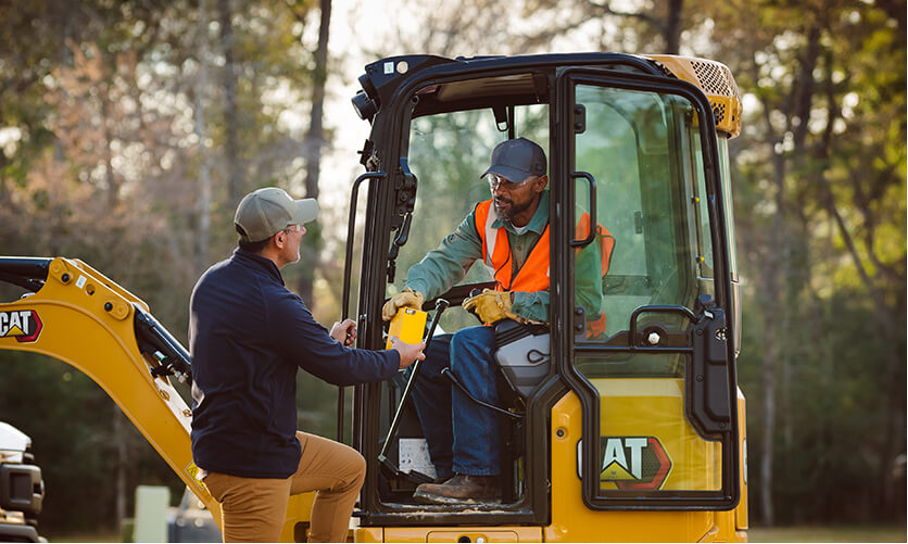
Dealer support prevents downtime that can derail landscaping schedules. Equipment breakdowns during critical phases, final grading before sod installation, for example, can delay entire projects. Ask rental providers about:
- Maintenance schedules and service records
- Telematics systems for tracking machine hours and diagnostics (such as Cat Product Link)
- Availability of on-site service if equipment fails during rental
- Operator training or orientation for unfamiliar machines
Preventive maintenance between rentals keeps equipment reliable across different job types and conditions. According to Warren CAT’s rental service team, “Our technicians have specialized training that prepares them to conduct thorough inspections, tests and services to keep all rental equipment functioning safely and efficiently for our customers.” The company advises, “Look for providers that can document their maintenance protocols and provide service support throughout your rental period.”
Frequently Asked Questions
Contractors planning to rent landscaping equipment often raise these questions.
How much does it cost to rent a skid steer in Texas?
Rates vary by machine size, attachments, rental length and distance from the supplier. Many providers offer daily, weekly and monthly pricing to match project timelines.
What skid steer attachments can I rent for landscaping?
Common options include augers for drilling, landscape rakes for seedbed prep, grading buckets for leveling, tillers for soil prep and trenchers for irrigation.
Can the skid steer be delivered to my jobsite?
Many regional dealers deliver directly to the jobsite. Working with a nearby supplier shortens lead times and reduces transportation costs.
Strategic Skid Steer Rentals Ensure On-Time Development
As the construction industry continues to shift toward rental, the partner you choose determines whether Texas landscaping projects remain profitable and on schedule. Deep inventory, flexible terms and local support turn equipment access into an advantage rather than a logistical hurdle. Contractors who weigh those factors early position their crews to handle site prep, grading and finish work with confidence.
*Please note that this list includes sponsored content. Some of the companies, products, or services featured have entered into commercial agreements for placement. Sponsored placements do not necessarily reflect an endorsement and should be considered alongside other options in the marketplace.