Why long-term homeowners are investing in wellness design
Subscribe to our free newsletter today to keep up to date with the latest homebuilding news.
Recent reporting from Oregon points to a change in how homeowners think about remodeling. Rather than treating every renovation as an investment aimed at a future buyer, more owners are designing homes around the lives they expect to lead there for years or decades.
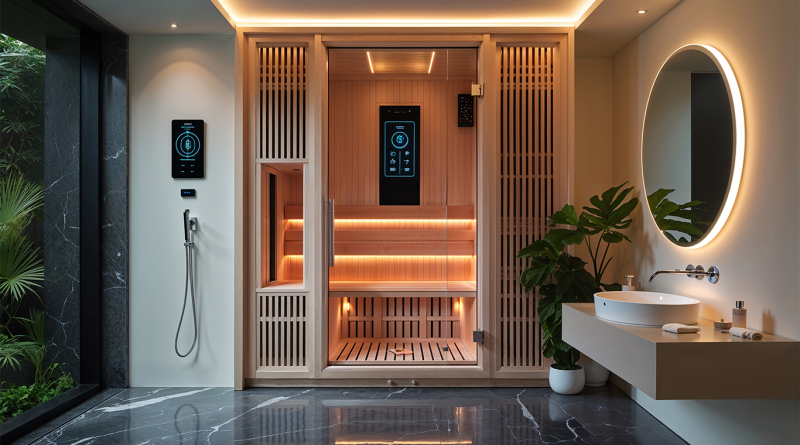
That change is creating room for features that once sat firmly in the luxury category. Home saunas, cold plunges, meditation areas, yoga rooms, larger showers and spa-inspired bathrooms are increasingly being treated as functional parts of a home rather than indulgent extras.
The trend is not confined to Oregon. Houzz search data published in 2026 found interest in “wellness room” had risen 164%. Searches for home gyms increased 46%, sensory rooms rose 43% and yoga rooms climbed 20%. Searches related to spa design were up 68%.
Those figures suggest that homeowners are broadening their definition of what a house needs to provide. Kitchens and bathrooms remain central to remodeling, but health, recovery, exercise and quiet are gaining space in the brief.
The forever home changes the remodeling calculation
The economics of a renovation look different when an owner expects to remain in the property for a long period.
A homeowner preparing to sell in three years may focus heavily on neutral finishes, broad buyer appeal and projects expected to support resale value. Someone planning to stay for 15 or 20 years has more freedom to prioritize personal routines, comfort and future physical needs.
The idea of the “forever home” has gained weight as moving has become more complicated for many households. A 2026 Houzz study in the UK found 71% of renovating homeowners expected to remain in their homes for at least 11 years. Thirty-nine percent described the property as their forever home.
The figures are not directly transferable to the US market, but they illustrate a wider point. Renovation decisions become less speculative when homeowners stop thinking about the next buyer.
That can justify investments that do not fit neatly into traditional resale formulas. A sauna may not appeal to every buyer. A dedicated meditation room could be too personalized for a conventional real estate checklist. For an owner who uses either space several times a week for the next decade, the return is measured differently.
The same logic applies to larger bathrooms, better lighting, improved ventilation, quieter rooms and dedicated exercise areas. None needs to be dramatic. A wellness-focused renovation can be as simple as making a bathroom easier to move through, creating storage for exercise equipment or turning an underused room into a space that supports a consistent routine.
For remodelers and designers, this changes the client conversation. Instead of asking only what will improve property value, the more useful questions may concern how a client expects to live, which activities happen every day and what physical needs may change over time.
Wellness design is moving closer to practical design
The strongest evidence for the shift appears in bathrooms, where wellness and long-term usability increasingly overlap.
The 2025 US Houzz Bathroom Trends Study found that 25% of homeowners use their primary bathroom for rest and relaxation. More than a third of renovated bathrooms, 36%, included wellness-oriented features. Upgraded lighting led the category, followed by soaking tubs or spa baths and water features.
The same study found 68% of homeowners considered current or future special needs during bathroom renovations. Nearly half, 47%, expected those needs to emerge five or more years into the future.
That connection matters. A bathroom designed for comfort today can support mobility later. A low-curb or curbless shower may provide a cleaner visual line and easier access. Nonslip flooring can suit a spa-inspired room and reduce fall risk. Built-in seating can work for relaxation, recovery or future mobility needs.
This is where wellness remodeling becomes less about conspicuous luxury and more about adaptable design.
A homeowner installing a steam shower may be thinking about recovery after exercise. Another may be thinking about comfort in retirement. A wider doorway, stronger lighting or better circulation space may serve both present convenience and future accessibility.
These projects can carry technical demands that decorative renovations do not. Saunas require appropriate electrical planning and ventilation. Steam rooms need rigorous moisture control. Cold plunges can create drainage, structural and equipment considerations. Home gyms may require attention to flooring, sound transfer and load capacity.
That creates opportunities for contractors who can translate lifestyle requests into durable building systems. It creates risks when products are installed primarily for visual effect without considering maintenance or long-term performance.
The most successful wellness spaces are likely to be the ones designed around habits rather than trends.
A personal renovation can still be a disciplined investment
The rise of the forever home does not mean homeowners should ignore cost or future flexibility. It means the definition of value can become broader.
A highly specialized room that receives little use can become expensive square footage. A wellness feature that requires heavy maintenance may lose its appeal quickly. Owners still need to test an idea against their actual routines.
The questions are practical. How often will the space be used? Can it serve more than one purpose? Does it require structural work? What will it cost to operate? Can it adapt as the household changes?
A meditation room might double as a reading room or office. A home gym can be designed so the space can later become a bedroom. A larger shower can combine comfort with accessibility. Better ventilation can support a sauna today and improve the performance of the room for years.
This kind of planning separates long-term personalization from short-lived novelty. For the remodeling industry, the shift could change how projects are specified and sold. Resale value remains relevant, but it is no longer the only measure available to homeowners expecting decades of use from a property. Comfort, health, adaptability and daily utility can carry their own financial logic.
Oregon homeowners investing in wellness spaces fit that broader pattern. The home is becoming less of a temporary asset to optimize for an unknown future buyer and more of an operating environment built around the people already living there.
When ownership horizons stretch, renovation priorities stretch with them. The question is no longer only whether a project adds value when the house is sold. It is whether the space earns its place every day before that sale ever happens.
Source:
Oregon Live