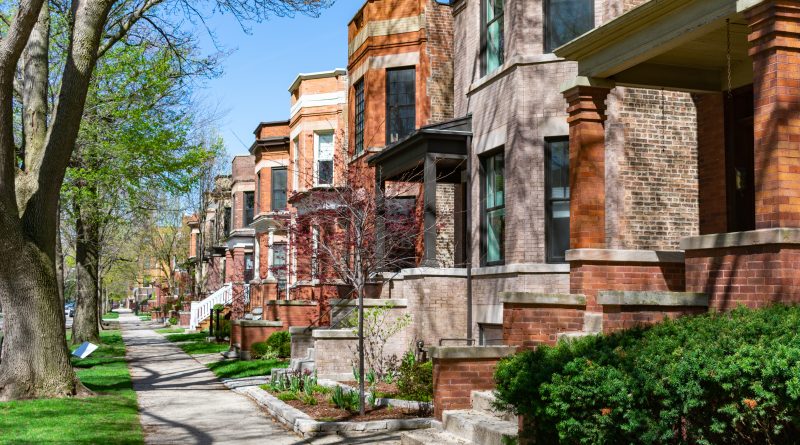
Why Chicago is offering up to $70,000 to first-time homebuyers
Subscribe to our free newsletter today to keep up to date with the latest homebuilding news.
For many Americans, buying a first home has become increasingly difficult. Higher mortgage rates, rising home prices and larger down payment requirements have combined to push ownership further out of reach, including for households with stable incomes. In response, cities are testing new ways to help residents cross the financial threshold into homeownership.
Chicago has become one of the latest examples. The city recently launched the HomeGrown Purchase Assistance Program, a $21 million initiative offering eligible first-time buyers up to $70,000 toward down payments, closing costs and related purchasing expenses. The program is intended to help hundreds of households enter a housing market that has become less affordable in recent years.
While the initiative addresses a local challenge, it also reflects a broader national discussion about how cities can preserve access to homeownership as affordability pressures continue to build.
Chicago’s latest housing initiative reflects a growing affordability challenge
The HomeGrown Purchase Assistance Program targets one of the largest barriers facing prospective buyers: the upfront cash required to complete a purchase.
Eligible applicants can receive up to $70,000 in assistance when purchasing a one- or two-unit property within Chicago. Participants must occupy the property as their primary residence and satisfy income requirements established by the city. The program is expected to support between 300 and 400 households through the current funding allocation.
The initiative arrives at a time when the economics of buying a home have become considerably more challenging. Many buyers who can afford monthly mortgage payments struggle to save enough for a down payment while managing rising rents and household expenses.
City officials see the program as a practical way to bridge that gap. Rather than attempting to lower home prices directly, the initiative focuses on helping qualified residents overcome the upfront costs that frequently delay or prevent home purchases.
The program also signals a shift in how policymakers view housing affordability. Challenges once associated primarily with lower-income households are increasingly affecting middle-income earners. Eligibility extends to households earning up to 150% of area median income, widening access beyond traditional affordable housing programs.
Rising home prices are forcing cities to rethink traditional housing policy
Chicago’s housing market remains more affordable than many coastal metropolitan areas, yet affordability has become an increasingly important issue.
Recent market data shows the city’s median home sale price approaching $389,000, representing annual growth of more than 5%. While that increase is modest compared with some pandemic-era surges, it continues to exceed wage growth for many households.
Mortgage rates have added pressure. Buyers entering the market today face borrowing costs that are substantially higher than those available only a few years ago. Even small increases in interest rates can add hundreds of dollars to monthly housing costs.
Property taxes create another challenge. Chicago and the wider Cook County region have experienced significant increases in property tax burdens during the past decade, raising the long-term cost of ownership for many households. These costs can influence purchasing decisions as much as headline home prices.
Municipal governments are responding with targeted assistance programs. Some cities have introduced down payment grants, while others have adopted forgivable loans, tax incentives or workforce housing initiatives designed for specific groups of buyers.
Chicago’s approach stands out because of the size of the available assistance. A grant of up to $70,000 can materially improve purchasing power for households attempting to enter neighborhoods where home values have steadily increased.
Homeownership remains one of the most powerful wealth-building tools available
The logic behind programs such as HomeGrown extends beyond housing access.
Homeownership has long been one of the primary ways households build wealth. Mortgage payments gradually create equity, while property appreciation can generate financial assets that renters typically do not accumulate through monthly housing expenditures.
For policymakers, expanding access to homeownership is often viewed as an investment in long-term economic stability. Homeowners generally demonstrate higher residential stability, stronger community engagement and deeper connections to their neighborhoods.
The wealth-building implications are particularly significant. Home equity frequently helps fund higher education, business ventures, retirement planning and intergenerational wealth transfers. For many households, a primary residence remains their largest financial asset.
Programs that help buyers overcome initial financial barriers can therefore influence more than individual housing transactions. They can affect neighborhood development, household financial resilience and economic mobility over time.
Housing affordability challenges, however, remain tied to supply constraints, construction costs, interest rates and local tax structures. Down payment support can help buyers enter the market, but it does not directly address the underlying imbalance between housing supply and demand.
What the HomeGrown program could mean for other US cities
Chicago’s initiative may become an important case study for policymakers across the country.
Many cities face the same combination of rising prices, affordability pressures and declining access to homeownership among younger households. If Chicago’s program succeeds in expanding homeownership opportunities while producing positive long-term outcomes, similar models could emerge elsewhere.
The trend suggests that local governments are becoming more willing to intervene directly when traditional housing affordability measures prove insufficient. Rather than relying solely on federal programs, cities are increasingly developing local solutions tailored to their housing markets.
Whether HomeGrown becomes a permanent fixture or remains a limited initiative will depend on its performance in the years ahead. What is already apparent is that affordability concerns are no longer confined to the nation’s most expensive housing markets.
For Chicago, the program represents an effort to preserve a pathway into homeownership at a time when many prospective buyers feel that pathway is narrowing. For other cities watching closely, it may offer an early indication of how local governments can respond as the financial barriers to ownership continue to rise.
Source