What Restoration Experts Say Builders Must Understand About Water-Damaged Sites
When floodwaters recede or a nor’easter passes, the rush to rebuild can feel urgent. Builders who break ground on water-damaged sites without proper restoration risk trapping moisture, cultivating mold and compromising structural integrity before construction even begins. Professional water damage restoration establishes the dry, stable conditions construction teams need to deliver safe, lasting results.
The Race Against Time for Mold Prevention
Immediate action is required after a flood or leak because microbial growth can multiply rapidly. According to the EPA, when exposed to moist, warm conditions, it is important to dry water-damaged areas and items within 24 to 48 hours to prevent mold growth. That narrow window explains why delays between water intrusion and professional response can turn a manageable restoration into a full-scale remediation project.
Rhode Island Restoration, a locally rooted restoration company with more than 20 years of experience and Institute of Inspection, Cleaning and Restoration Certification (IICRC) credentials, emphasizes that timing is critical in water emergencies and issues, “because water, while seemingly innocuous, can cause extensive damage to your home, and if left untreated, can cause toxic mold growth often in areas hidden to the naked eye.” Its 24/7 emergency response capability allows property owners and builders to act within that critical window before mold takes hold.
Coastal storms, storm surge and nor’easters common to the Northeast create particularly challenging conditions because saltwater intrusion accelerates corrosion, while organic debris from flooding provides additional fuel for microbial growth.
Why Emergency Water Removal Prevents Secondary Damage
Builders should never rush to replace materials without confirming that the site is properly stabilized. Emergency water removal sets the stage for everything that follows, but extraction alone does not complete the job. Structural drying and moisture mapping must occur to prevent residual moisture from being trapped behind new drywall or flooring.
Early extraction and stabilization prevent the project from going in the wrong direction. The experts at Disaster Recovery explain that residual moisture trapped behind new plasterboard can lead to severe mold growth and structural issues within weeks, and that what looks dry on the surface can hide saturated framing that will fail once sealed behind fresh finishes.
Professional restorers use thermal imaging and moisture meters to map exactly where water has traveled through a structure. This process can reveal hidden saturation that visual inspections miss and allows teams to address the root problem before reconstruction begins.
Assessing Deep Structural Saturation
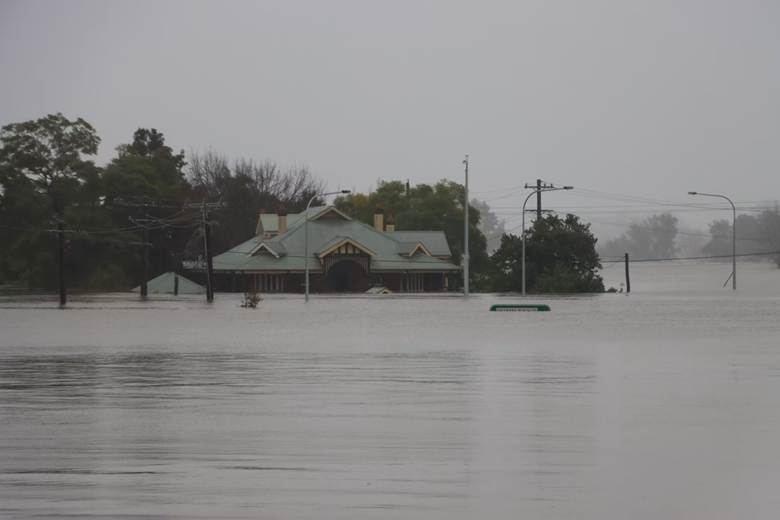
Water affects the structural bones of a property in ways that are not always visible. “The answer lies in three factors — duration of exposure, depth of saturation, and impact on structural components. When excess moisture penetrates framing, subflooring, insulation, or load-bearing assemblies over extended periods of time, surface repairs simply mask the problem. Water damage can lead to rot, weakened supports, and compromised structural integrity,” the specialists at Shepperd Construction point out.
Professional restoration teams document moisture levels in structural components and compare them against established dry standards, creating a clear record of what has been affected and what remediation steps are necessary before safe construction can proceed.
Vital Decontamination Steps During Water Damage Restoration
Cleaning and disinfecting the site after water removal but before reconstruction is essential for occupant safety. “Thorough cleaning eliminates bacteria, pathogens, mold spores, dirt and debris while removing odors from living spaces,” states ATI Restoration.
The company notes, “… depending on the type of water damage, the cleaning process may involve disinfection of contaminated surfaces and/or removal of badly damaged materials. Contents cleaning is the process of inventorying items with water damage and, if possible, restoring them to their prior condition.”
For example, Category 3 water is grossly contaminated and can contain pathogenic, toxigenic or other harmful agents. Category 3 water may include sewage and floodwater, which introduce hazardous contaminants that require specialized treatment beyond what standard construction cleaning protocols address.
Professional water damage services confirm that surfaces are not just dry but genuinely safe for the next phase of work, and that contents cleaning protects building materials and furnishings that can be salvaged, reducing overall project costs.
Reaching the Dry Standard for Safe Reconstruction
Professional restorers use data and industry standards, such as the ANSI/IICRC S500, to demonstrate that a site is dry enough for builders to safely take over. These standards require daily documentation of temperature, moisture content, grains per pound and material moisture readings to confirm progress and reach a true dry standard that verifies a site is ready for repairs.
The data-driven approach removes guesswork from the handoff between restoration and construction by comparing moisture readings against baseline levels for each material type and running drying equipment until those targets are met.
Documented proof that a site has met the dry standard protects builders from liability and ensures that new construction won’t be compromised by residual moisture. IICRC-certified restoration companies follow these protocols as standard practice, and when working on insurance claims, this certification means the work is performed by trained professionals in accordance with industry standards, helping property owners avoid out-of-pocket costs for rework.
Bridging the Gap Between Mitigation and Rebuilding
A collaborative understanding between restoration experts and builders leads to safer, long-lasting construction projects. Clear communication at the transition point means nothing falls through the cracks since restoration teams provide documentation showing exactly what was affected, what was removed and what moisture levels exist in remaining materials.
Transparency allows construction teams to plan appropriately and avoid unpleasant surprises once work begins. The partnership ultimately protects property owners, helps builders avoid callbacks and warranty claims, and delivers construction built on a verified, stable foundation.
*Please note that this list includes sponsored content. Some of the companies, products, or services featured have entered into commercial agreements for placement. Sponsored placements do not necessarily reflect an endorsement and should be considered alongside other options in the marketplace.