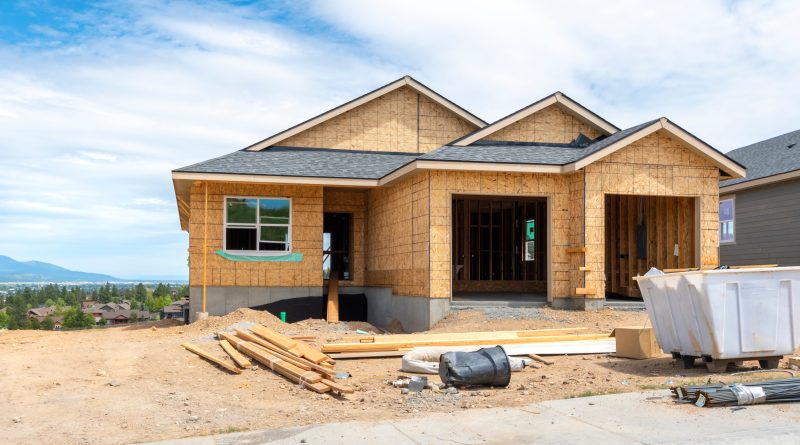
US housing shortage hits 10 million homes, White House says
Subscribe to our free newsletter today to keep up to date with the latest homebuilding news.
The US is short at least 10 million homes, according to the White House Council of Economic Advisers. The gap is large enough to influence inflation, labor mobility and long-term growth. It reflects more than a decade of underbuilding, combined with policy constraints that continue to limit how quickly supply can expand.
Prices and rents remain elevated because supply cannot adjust. Even as higher mortgage rates have cooled demand at the margins, the shortage keeps overall housing costs high. For businesses, this affects where workers can live. For households, it shapes spending, savings and access to homeownership.
The housing shortage is now a structural constraint on the economy
The current deficit developed gradually. After the 2008 financial crisis, residential construction fell sharply. Annual housing starts dropped from more than 2 million units in the mid-2000s to below 600000 at the trough. While activity recovered in the following years, it did not return to pre-crisis levels for a sustained period.
Over time, population growth and household formation outpaced new construction. The result is a cumulative shortfall that has widened each year. Estimates vary, but the White House places the gap at no less than 10 million homes, a figure that aligns with other private-sector analyses.
The shortage is most visible in high-growth regions. Cities with strong labor markets, particularly in technology, finance and services, have seen the largest increases in housing demand. At the same time, these areas often have the most restrictive land-use policies. Limits on density, minimum lot sizes and restrictions on multifamily housing reduce the pace of new development.
This mismatch has changed how the housing market behaves. In previous cycles, falling demand would ease price pressures. Today, constrained supply means prices remain relatively stable even when borrowing costs rise. This reduces the effectiveness of monetary policy in cooling housing costs and keeps shelter inflation elevated.
Supply remains constrained by regulation, cost and capacity
The slow response of housing supply reflects a combination of regulatory and economic factors.
Zoning rules are a central issue. In many cities, large areas are reserved for single-family housing. This limits the ability to build apartments or other higher-density options, even where demand is strongest. Efforts to reform zoning often face opposition from existing residents, which slows policy changes.
Construction capacity is another constraint. The sector has faced a persistent shortage of skilled labor since the last recession, when many workers left the industry. Training pipelines have not fully replaced that workforce. As a result, builders cannot scale up activity quickly, even when demand is strong.
Costs also play a role. Material prices rose significantly during the pandemic and remain above earlier levels. Financing costs have increased alongside interest rates, which affects the economics of new projects. Developers are more likely to prioritize higher-margin properties, leaving fewer new homes in lower-cost segments.
Permitting and approval processes add further delays. In some jurisdictions, it can take years to secure the necessary approvals to begin construction. These timelines increase uncertainty and can lead to fewer projects moving forward.
Taken together, these factors create a system where supply adjusts slowly. The market signals the need for more housing, but structural barriers limit the response.
The economic impact extends beyond housing
The housing shortage is influencing broader economic outcomes.
Housing costs are a major component of inflation. Rent and shelter expenses account for a significant share of consumer price measures. When housing supply is constrained, these costs remain elevated, complicating efforts to bring inflation under control.
Labor mobility is also affected. Workers are less able to move to areas with better job opportunities if housing is unaffordable. This can reduce the efficiency of the labor market. Companies in high-cost regions may struggle to recruit, while workers elsewhere have fewer pathways to higher wages.
The shortage also affects household balance sheets. Homeownership has long been a key source of wealth accumulation in the US. Rising prices increase the value of existing assets but make entry more difficult for new buyers. This widens the gap between owners and renters over time.
Younger households are particularly affected. Higher down payments and monthly costs delay or prevent home purchases. This can have longer-term effects on savings, family formation and financial stability.
Policy options exist but depend on local action
The White House report outlines several policy approaches to increase housing supply. These include encouraging zoning reform, expanding incentives for affordable housing and reducing regulatory barriers that delay construction. There is also interest in alternative building methods, such as modular construction, which could lower costs and shorten timelines.
Federal policy can provide funding and incentives, but most land-use decisions are made at the state and local levels. This creates limits on how quickly change can occur. In many cases, reforms require coordination across multiple layers of government.
There are signs of gradual change. Some states and cities have begun to revise zoning rules to allow more density, particularly near transit corridors. Others are streamlining permitting processes or offering incentives for new development. These efforts are uneven and often incremental.
Closing a gap of 10 million homes will require sustained increases in construction over many years. It will also require policy changes that allow more housing to be built in areas where demand is strongest.
The housing shortage is now a central factor in the US economic outlook. Its effects are visible in prices, labor markets and household finances. Addressing it will depend on whether policy and market conditions can align to support a higher level of housing supply over time.
Sources