Thomas Knuckey highlights what builders should look for in roofing
According to the World Green Building Council, the construction sector accounts for nearly 40 percent of global carbon emissions, and that figure has put every corner of the industry under a microscope. Architects, developers, and builders are being asked by clients, regulators, and homeowners themselves to substantiate the sustainability claims attached to the products they specify. That scrutiny is healthy, but it has also exposed a problem. Much of what gets marketed as ‘green’ in building materials falls short of its claims.
This is especially important when considering roofing. A roof is one of the most replacement prone and resource intensive elements of the building envelope, and a decision homeowners may have to make every 15 – 20 years depending on their choice. Moving past greenwashing in roofing means going beyond “’what is it made of?’ and asking ‘how long will it actually perform?’
Recycled content alone doesn’t equal sustainability
Sustainability is broad and doesn’t just encompass recycling; it’s also about durability and a product’s lifecycle impact. Recycled content is important, but claims are easy to print on a spec sheet and the substance behind them isn’t always as easy to verify.
A roof that fails in 15 years and ends up in the landfill likely has a worse environmental profile than one that performs for half a century. Every replacement cycle carries its own footprint: new raw material extraction or reprocessing, manufacturing energy, transport, installation labor, and the disposal of everything that came off the old roof. According to the Construction and Demolition Recycling Association (CDRA) discarded asphalt shingles account for roughly 15 million tons of US waste each year. The most sustainable roof can often be the one that doesn’t have to be replaced.
Durability metrics deserve equal weight with recycled content in any honest sustainability conversation. Diverting plastics from landfills is a real environmental benefit, but it doesn’t tell you anything about how long the roof will last. Impact ratings, fire classifications, and warranty terms, including whether a manufacturer will stand behind performance against hail and severe weather, are sustainability indicators, not just performance indicators. Recycled content tells you where a product came from. Durability tells you where a product is going to be, and for how long. When a manufacturer delivers products that can do both, they show they are serious about sustainability
Full lifecycle performance
Sustainability isn’t a single stage. It’s looking at the full lifecycle of a product, from raw material to end of life. That also includes the manufacturing. Waste generated during production is part of a product’s environmental footprint, regardless of whether it appears in marketing. Manufacturers serious about sustainability are auditing their own plants, rethinking production and packaging, and pursuing third-party validation, such as zero-waste certifications and material transparency programs, that let specifiers verify claims rather than take them by their word.
It also includes how efficiently a roof performs over its decades in service. A roof’s solar reflectance and thermal emittance shape a building’s cooling load every day of its life, which is why cool-roof performance belongs in the lifecycle math, particularly in hot climates. Standards like Title 24 and Cool Roof Rating Council (CRRC) listings give specifiers a verified way to compare that performance and can also contribute toward LEED credits.
Maintenance is the other overlooked piece. Some traditional materials require frequent cleaning and chemical treatments in certain climates to ensure they last. More sustainable options, such as synthetic roofing, require debris removal and only routine inspections, reducing chemical maintenance and making responsible ownership easier for homeowners.
Finally, it includes what happens at the end. Can the product be recycled when its service life is over, or is landfill the only exit? Designing for end-of-life recovery is where circularity stops being a buzzword and becomes an engineering requirement.
Transparency beats greenwashing
The encouraging news is that the market is asking better questions. Customers and builders are increasingly asking about what products are made of, how they’re manufactured, and what happens to them decades from now. That curiosity is the single best defense against greenwashing, because vague claims collapse under specific questions.
Architects and builders evaluating roofing products should ask a few direct questions: What is the verified recycled content, and where does it come from? How do the impact, fire, and wind ratings give insight into product durability? Does the warranty back these claims, and for how long? What is the manufacturer doing to measure and reduce waste in its own operations? Is there third-party documentation behind any of it? And what is the end-of-life pathway?
A manufacturer with genuine sustainability commitments will welcome those questions.
Longevity is the sustainability story
Innovation in material composition and product engineering is redefining what durability means in roofing, and that shift changes the environmental equation for the building envelope. The industry’s job now is to be honest about the whole lifecycle: source responsibly, manufacture cleanly, build products that last, make them serviceable with minimal intervention, and give them somewhere to go besides landfill when they’re done. When durability and recycled content work together, the sustainability benefit is real.
Thomas Knuckey
Brava Roof Tile
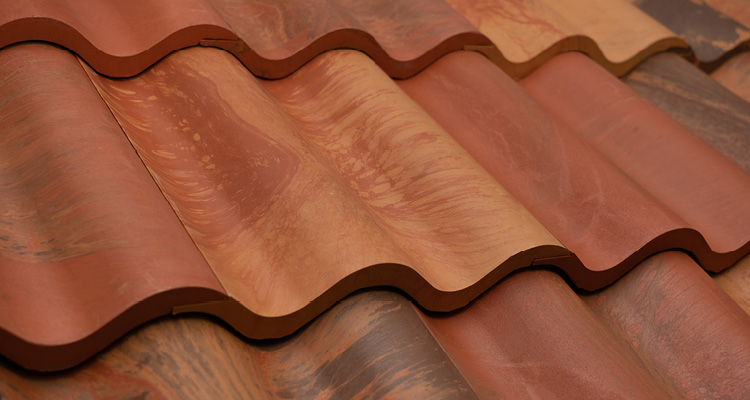
Thomas Knuckey is Director of Product Management at Brava Roof Tile, a manufacturer of beautifully authentic, high-performance synthetic roofing products, offering alternatives to cedar shake, slate, and Spanish barrel tiles. The brand’s mission is to bring innovative, sustainable building products to market. Its tiles are manufactured from up to 85 percent recycled materials that can be recycled at the end of their lifecycle. B offers a 50-year transferable warranty, underscoring the product’s durability, and all BRAVA products are Class 4 impact-rated, the highest rating in the industry, as well as offered with the highest standards for wind, fire, and impact, and are even UV resistant.