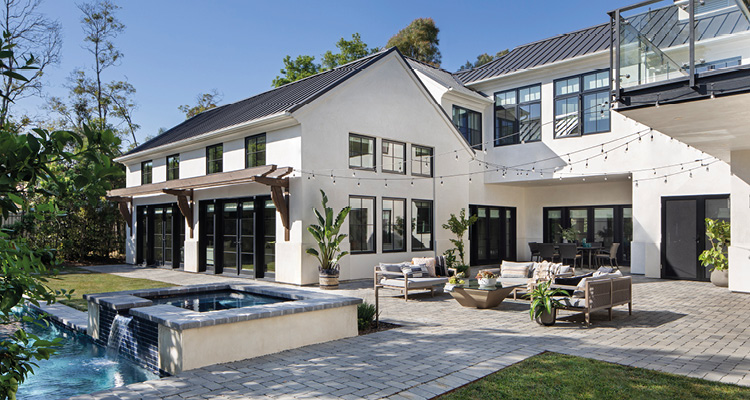
The virtues of design/build. By Bill Baldwin
For many homeowners beginning a custom home or major renovation, one of the first decisions they face is how to structure the process. The traditional design-bid-build model separates the architect and builder into different phases of the project. In contrast, the design/build approach brings design and construction together under one unified team from the very beginning.
One of the biggest misconceptions about design/build is that working with separate designers and contractors somehow results in a better deal. In reality, the opposite is often true. When architecture and construction operate independently, key decisions about cost, materials, and schedule are often made without the full context of how those decisions will play out in the field. The result can be redesigns, delays, and budget surprises once construction begins.
An integrated design/build process allows the team to develop a far more accurate understanding of the project early on. As the design evolves, the builder is already providing real time insight into costs, construction sequencing, and feasibility. This allows them to establish a comprehensive forecast for both schedule and budget long before a shovel hits the ground. For homeowners navigating the already significant investment of a custom home or major remodel, that clarity can make the difference between a smooth project and a very difficult one.
Having the builder at the table during early design conversations also strengthens the architecture itself. Design on paper can look very different once it begins to take physical form. When architects and builders collaborate closely, they are constantly refining the details that shape the home’s character. Sometimes a slight adjustment in proportion, thickness, or placement creates a far better architectural result. The pro-cess is similar to tuning a guitar. Small changes can bring the entire composition into harmony.
This collaboration also plays a significant role in exterior material decisions. Materials such as brick, stone, siding, and windows are not purely aesthetic choices. They influence construction sequencing, budget, long lead times, and long-term durability. When the builder is involved early, the team can evaluate whether a particular material will perform well in the local climate, whether it is readily available, and whether it supports the broader design intent of the home. It helps avoid the situation where a homeowner falls in love with a material only to learn later that it has a 16-week lead time or performs poorly once installed.
Craftsmanship is another central virtue of the design/build model. Design without craftsmanship is simply a drawing. When the same team responsible for the design is also responsible for building it, there is a deeper level of accountability. The people who imagined the details are the same people ensuring those details are executed correctly in the field. There is no passing responsibility across the table if something does not go as planned. That ownership elevates the quality of the finished home.
From the homeowner’s perspective, the experience is often far more straightforward as well. Instead of managing separate relationships with a designer and a contractor, the client works with a single team that is responsible for the entire outcome. Communication becomes proactive rather than reactive. Questions are resolved internally before they become problems, and when the client is brought into the conversation it usually includes both context and a solution.
Perhaps most importantly, design/build reduces the risk of financial misalignment. In the traditional model, homeowners often complete months of design work before receiving construction bids, only to discover the project costs far more than anticipated. By integrating construction knowledge from the outset, de-sign/build allows the project to evolve within realistic financial guardrails.
As homes become more complex and construction costs continue to rise, the margin for error grows smaller. Clients are also more informed than ever before and expect transparency throughout the process. For these reasons, integrated approaches like design/build are becoming increasingly relevant.
At its core, the greatest virtue of design/build is simple. It replaces assumption with intention at every stage of the process.
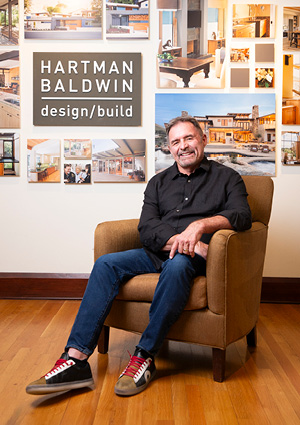
Bill Baldwin has built HartmanBaldwin into one of the leading design/build firms in the nation. HartmanBaldwin is a full-service architecture, construction, and interior design firm specializing in large-scale remodels and expansions, exclusively for residential projects throughout the greater Los Angeles area and along the Southern California coast. The firm provides clients with a complete package of services, from initial design through project completion. Its portfolio includes whole home remodels, historic restorations, luxury custom homes, and estates that are both sustainable and energy efficient, all while achieving exceptional aesthetic results.