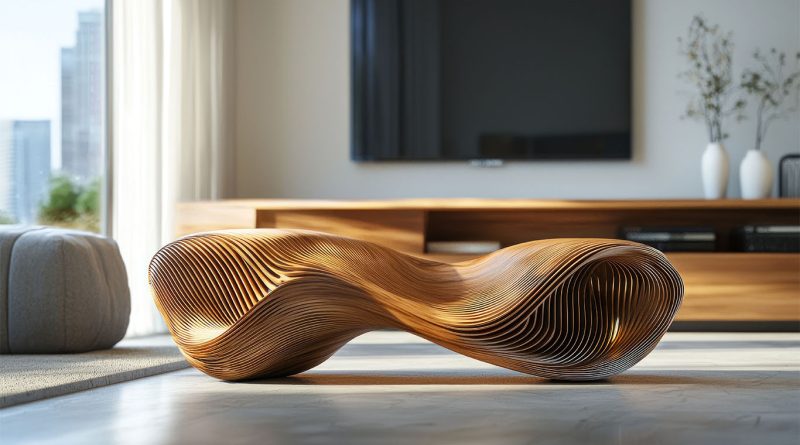
The rise of pasta chic and the return of comfort driven design
Subscribe to our free newsletter today to keep up to date with the latest homebuilding news.
Interior design has always borrowed inspiration from culture, fashion and travel. Now it is finding fresh ideas in an unlikely place: the dinner table.
Pasta inspired decor is emerging as one of the most distinctive home trends of 2026, bringing the warmth of Italian cooking traditions into living rooms, kitchens and dining spaces. What began as a niche aesthetic has rapidly evolved into a broader design movement, with everything from tortellini shaped cushions to farfalle inspired lighting and handcrafted ceramics appearing in homes across Europe and North America.
The trend reflects more than a fascination with food. It arrives at a moment when consumers are increasingly seeking comfort, nostalgia and authenticity in their living spaces. In an era dominated by digital experiences and fast moving trends, many homeowners are looking for interiors that feel personal, playful and rooted in tradition.
Italian food culture offers a natural source of inspiration. For generations, meals have represented more than nourishment. They have served as a focal point for family gatherings, storytelling and connection. Designers are now translating those values into objects and spaces that celebrate everyday rituals rather than formal luxury.
The result is a design movement that feels both whimsical and surprisingly meaningful.
The appeal of food inspired interiors
Food has become an increasingly powerful influence across creative industries.
Fashion brands have embraced fruit motifs, bakery inspired collections and culinary collaborations. Beauty companies have launched products inspired by desserts and coffee culture. Interior design has followed a similar path, with food inspired objects becoming a growing category within homeware.
Pasta inspired decor stands out because it balances novelty with familiarity.
Unlike highly stylised trends that can quickly feel dated, pasta carries strong cultural associations that many people immediately recognise. Shapes such as ravioli, fusilli and farfalle are visually distinctive while also evoking memories of family meals and shared experiences. That emotional connection gives the trend a broader appeal than simple novelty products.
Designers are incorporating these references in increasingly sophisticated ways. Some pieces directly replicate pasta forms through sculptural lighting, cushions and decorative accessories. Others take a more subtle approach, drawing inspiration from organic curves, textured surfaces and warm Mediterranean colour palettes.
The trend also aligns with the growing popularity of maximalist interiors. After years of minimalist design dominating social media and showroom floors, consumers are embracing spaces filled with personality, colour and conversation pieces. Pasta inspired decor offers a lighthearted way to introduce character without sacrificing elegance.
For many homeowners, these pieces function as both design objects and expressions of personal identity.
Why Italian culture continues to shape design
The success of pasta inspired decor speaks to the enduring influence of Italian culture on global design.
Italy has long occupied a unique position at the intersection of food, art, architecture and craftsmanship. From Milan’s furniture fairs to centuries old ceramic traditions, Italian design has consistently demonstrated how functional objects can become works of art.
That philosophy is evident throughout the current trend.
Many of the products gaining attention are produced by independent artists and makers rather than mass market retailers. Hand painted ceramics, artisan textiles and custom furniture pieces are helping elevate food inspired design beyond novelty status.
There is also a growing appreciation for the concept of slow living, a lifestyle movement that encourages people to focus on quality, craftsmanship and meaningful experiences. Italian food culture naturally complements those values. Cooking, dining and entertaining are often viewed as activities to be enjoyed rather than rushed.
As a result, pasta inspired decor resonates with consumers who want their homes to feel welcoming and lived in rather than perfectly curated.
The trend’s popularity is also being amplified by social media. Platforms such as Instagram and Pinterest have become important channels for discovering niche design aesthetics, allowing independent creators to reach global audiences. Playful food inspired pieces perform particularly well because they are instantly recognisable and highly shareable.
What might once have remained a local artisan trend can now become an international design movement within months.
More than a passing trend
While some observers may dismiss pasta inspired decor as another fleeting social media phenomenon, its foundations suggest a longer lifespan.
At its core, the trend taps into enduring themes that extend beyond food itself. Comfort, nostalgia, craftsmanship and cultural storytelling have become increasingly important purchasing drivers across the home furnishings sector. Consumers are investing in products that feel meaningful rather than purely functional.
Pasta inspired design also reflects a broader shift toward interiors that celebrate individuality. Homeowners are becoming less concerned with following rigid design rules and more interested in creating spaces that reflect their personalities and experiences.
That change has created room for trends that might once have been considered unconventional.
Whether expressed through a sculptural lamp inspired by farfalle, a hand painted ceramic bowl or a playful accent piece in a dining room, pasta inspired decor offers something many contemporary interiors have been missing: a sense of joy.
As design continues to move away from uniformity and toward personal expression, it is unlikely that food inspired interiors will disappear anytime soon. Instead, they may represent the latest chapter in a larger movement that places comfort, culture and creativity at the centre of the home.
Sources