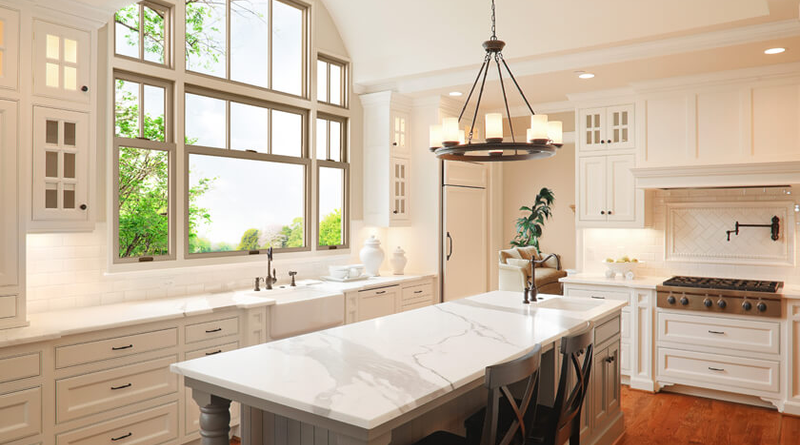
The Natural Light Mandate: How Wisconsin’s 2026 Building Boom Prioritizes Views Over Walls
Wisconsin’s 2026 building boom is being shaped by a fundamental shift in how custom home builders approach fenestration. Expansive windows and dramatic glass walls have moved from luxury upgrades to expected design features, creating new challenges for builders working in climate zone 6. The demand for views and natural light now competes directly with thermal performance requirements, forcing builders to rethink window specifications for large-format installations.
Why Standard Double-Pane May Be Failing the Midwest Climate
Wisconsin’s cold winters create a tougher environment for expansive glazing than many builders encounter in milder climates. In climate zone 6, windows must limit heat transfer while delivering the daylight and views homeowners expect. Standard double-pane windows can struggle across large openings.
Even when the glass meets baseline energy requirements, the interior surface can feel noticeably colder in winter. The bigger the glass area, the more important the window assembly becomes. A dramatic wall of windows can provide excellent natural light while simultaneously becoming a weak point in the thermal envelope if the glazing isn’t designed for Wisconsin conditions.
Cold glass creates measurable comfort problems. A room may be heated to the proper temperature while occupants sitting near a window still experience drafts, radiant chill or uneven temperatures. Wisconsin’s new 2026 energy code requires building envelopes to undergo mandatory 3.0 ACH50 maximum air leakage testing. This regulatory shift makes glazing performance increasingly critical to overall building compliance.
Selling the Triple-Pane Upgrade
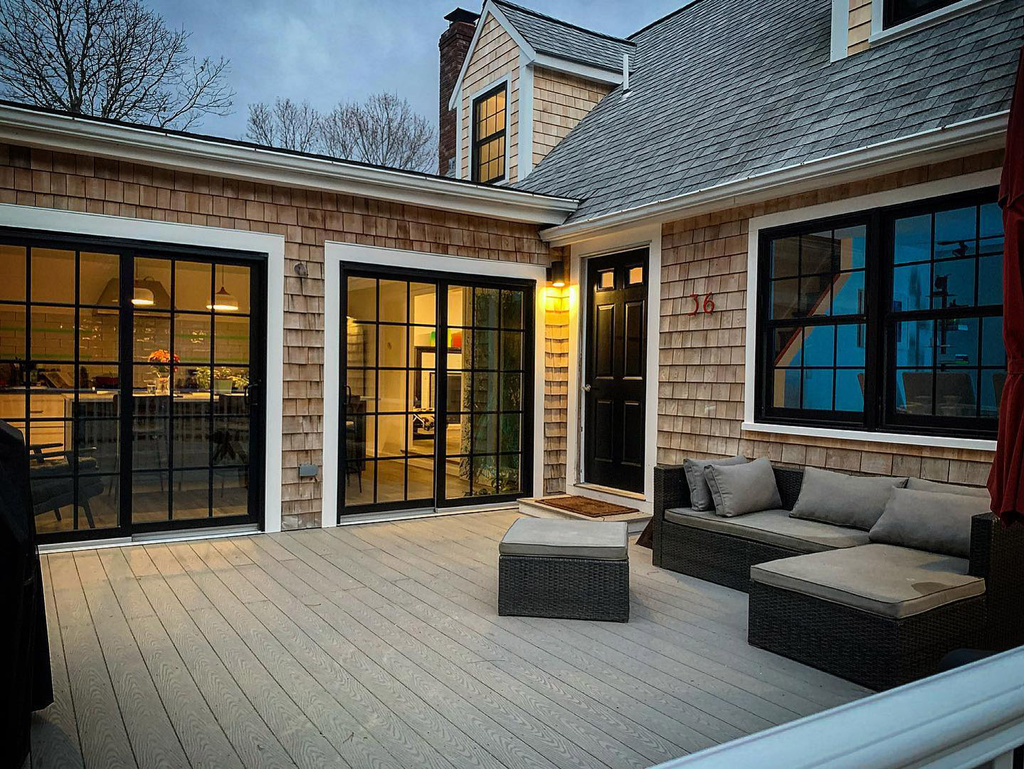
Triple-pane windows can be a practical performance upgrade that protects comfort in open-concept spaces where large windows serve as major architectural features. According to the National Association of the Remodeling Industry, “The exact cost will depend on the product line, window type, and any added options. However, it’s true that triple-pane windows typically cost more than standard dual-pane windows.”
According to Asher, a second-generation, family-owned Eau Claire window installation company with 52 years of cold-climate experience and an exclusive Renewal by Andersen® partnership since 2004, “Between those panes is a nontoxic gas, such as argon or krypton, which slows down the movement of heat, ultimately improving the window system’s overall energy efficiency. It also helps keep hot air out of your home on warmer days.” Builders can frame the upgrade around long-term operating costs. Better-performing windows reduce heat loss through the glazing, potentially lowering the amount of energy required to maintain comfortable indoor temperatures.
Value engineering should look beyond purchase price. Saving money on glazing can be counterproductive when it compromises the building envelope. Triple-pane windows offer one of the best cost-to-benefit ratios in modern construction, particularly for builds prioritizing large-format installations and open floor plans.
Hitting the Right Specs: U-Factor and SHGC
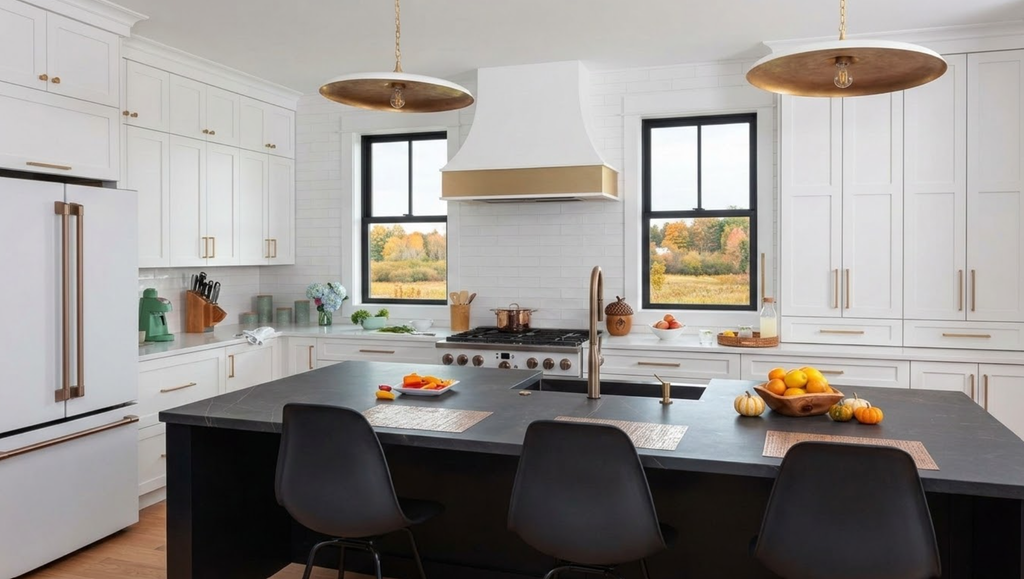
U-factor measures how readily a window allows heat to pass through it. According to Asher’s technical team, who are trained specifically to Renewal by Andersen installation standards, “The U-value, or U-factor, tells you how much heat is lost through a window. Aim for a low U-value when choosing, as the lower the U-value, the better the window’s insulation.”
As a practical benchmark, builders evaluating high-performance windows should target whole-window U-factors that exceed code minimums by meaningful margins. Asher’s installation specialists, who have completed over 3,260 cold-climate window projects in northwestern Wisconsin, note that the solar heat gain coefficient (SHGC) “indicates the amount of solar radiation that can pass through a window. The lower the SHGC, the less solar heat that passes through the window.” An ideal number isn’t as low as possible because it depends on orientation, shading, climate, window size and the home’s heating and cooling strategy.
South-facing glazing can sometimes benefit from a higher SHGC because winter sunlight provides useful passive heat. Builders should evaluate the complete window performance package rather than choosing products based on a single number. For homeowners, the goal is windows that admit abundant natural light and preserve the view without turning the perimeter of the room into a colder zone.
Why Specialized Partnerships Matter
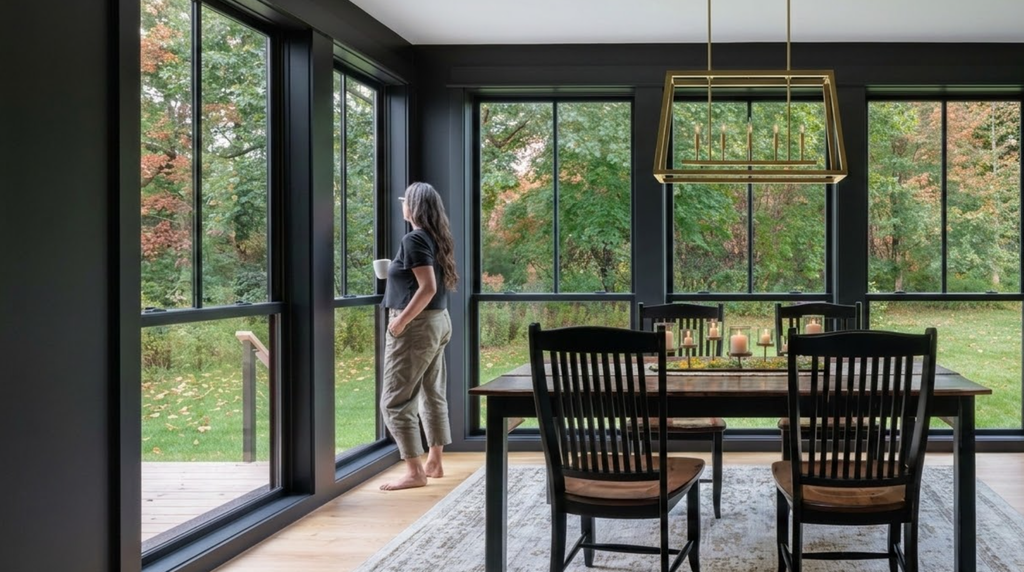
A high-performance window is only as effective as the installation surrounding it. Even an excellent triple-pane unit can underperform if it’s poorly aligned, inadequately sealed, incorrectly flashed or installed without sufficient attention to the surrounding wall assembly. Installation becomes particularly important with large-format windows because the size and weight of the units increase the consequences of mistakes.
According to Green Building Advisor, “Operation style, frame material, glazing specs, size and location are some of the considerations when choosing and optimizing a window package.” Builders should think beyond selecting a window manufacturer and consider partnering with experienced installation specialists who can ensure the specified performance actually makes it into the finished building.
When evaluating installation partners in Wisconsin, builders should look for companies with demonstrated cold-climate expertise and manufacturer-specific training programs. Single-manufacturer partnerships can offer advantages in technical knowledge and installation consistency.
Installers who concentrate on one premium product line—rather than working across multiple manufacturers—often develop deeper technical expertise in that specific system. For example, Asher, an Eau Claire-based installer operating in climate zone 6, has focused exclusively on Renewal by Andersen® products since 2004. This two-decade specialization allows their in-house technicians to develop detailed knowledge of cold-climate installation techniques specific to that manufacturer’s systems.
The trade-off is access to a broader range of products versus deeper expertise in a specific system. Builders should evaluate whether their project benefits more from product variety or from working with installers who have completed thousands of installations using identical materials and methods.
How to Choose Window Installers for Custom Home Projects in Wisconsin
As the demand for large-format windows increases, not all installers have the expertise to handle these installations. Builders can use this vetting framework to evaluate potential installation partners, scoring each criterion on a 1-5 scale, with a minimum threshold of 18/20 to qualify.
| Criterion | What to Verify | Red Flags | Score |
| Climate expertise | Portfolio of projects in Climate Zone 6 — understands Wisconsin thermal cycling | Only warm-climate experience — unfamiliar with ice dam prevention | __/5 |
| Manufacturer certification | Current certification from major brands (Renewal by Andersen, Pella, Marvin) — or exclusive partnership with one premium manufacturer | No certifications — “we install all brands” without specific training | __/5 |
| Installation warranty | Labor warranty clearly defined and separate from product warranty. Transferable; installer stands behind workmanship | No separate installation warranty. Claims must go through manufacturer only; non-transferable | __/5 |
| Portfolio depth | 5+ projects with windows >60″ wide in last 24 months — documented examples or references available | Only standard-size installations — no large-format experience | __/5 |
| Regional tenure | 10+ years serving local market — understands local building departments and codes | Only standard-size installations — no large-format experience or documentation | __/5 |
Frequently Asked Questions
Builders and homeowners frequently raise similar concerns when considering large-format window installations in cold climates.
Do windows really need triple panes for a single large picture window?
Even a single large picture window can benefit from triple-pane construction in Wisconsin’s climate. The thermal performance advantage becomes more noticeable as the window size increases. A larger expanse of glass increases surface area for heat transfer, making the difference between double-pane and triple-pane performance more perceptible to occupants.
Will large windows make the room feel cold in the winter?
Large windows can compromise comfort if the glazing isn’t specified correctly for the climate. However, properly specified triple-pane windows with appropriate U-factors minimize this issue. The key is matching window performance to the installation size and the building’s thermal envelope requirements.
How long does a premium window installation take?
Installation timelines vary based on project scope, window quantity and complexity of the openings. Custom window installations typically require careful scheduling to coordinate manufacturing lead times with construction schedules. Builders should discuss timelines with their installation partner early in the planning process.
How to choose a reliable window installer in Eau Claire?
The best installers have demonstrated experience in cold-climate applications, in-house trained technicians and strong customer satisfaction records. Partners who specialize in premium product lines often provide more consistent results than general contractors who work across multiple manufacturers. The installer should have established relationships with reputable window manufacturers and can provide references from similar projects.
Securing Builds With the Right Fenestration Partner
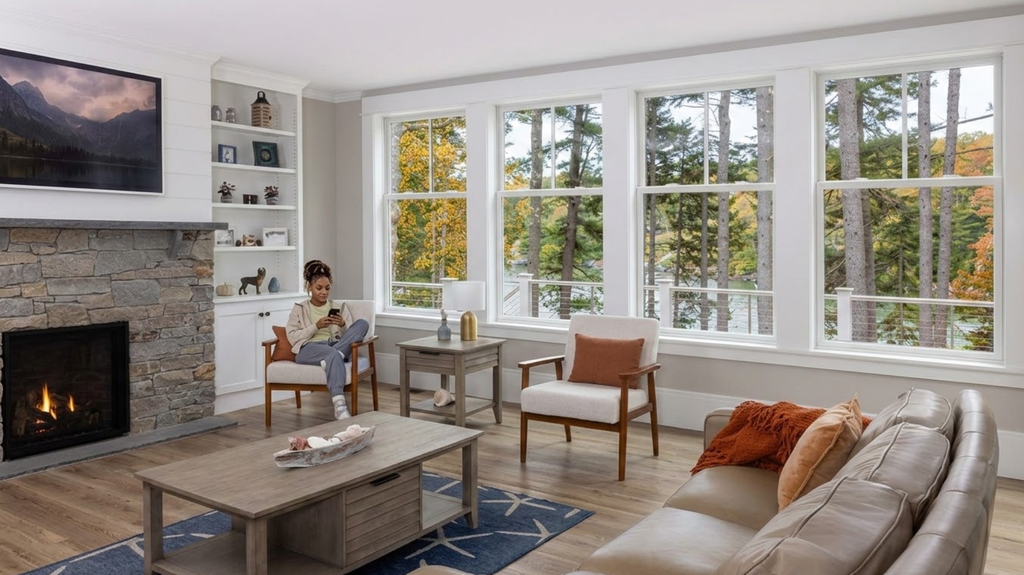
Wisconsin’s 2026 building boom demands careful fenestration specification. Homeowners expect expansive glazing and abundant natural light, but these features require triple-pane performance to avoid comfort problems and envelope failures. Success depends on more than product selection. Builders who partner with specialized installation experts gain access to technical expertise and trained teams capable of handling large-format applications in demanding climates.
*Please note that this list includes sponsored content. Some of the companies, products, or services featured have entered into commercial agreements for placement. Sponsored placements do not necessarily reflect an endorsement and should be considered alongside other options in the marketplace.