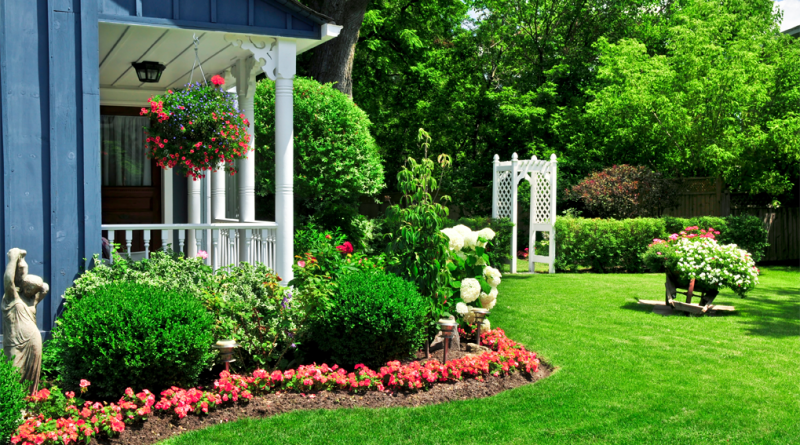
The biggest front yard landscaping trends for summer 2026
Subscribe to our free newsletter today to keep up to date with the latest homebuilding news.
The front yard has long shaped a home’s first impression, but this summer it is serving a much bigger purpose. Instead of acting as a decorative space centered on neatly trimmed lawns and seasonal flower beds, homeowners are choosing landscapes that are practical, environmentally responsible and attractive throughout the year.
Designers are seeing growing interest in front yards that require less maintenance while delivering greater visual impact. Native planting, outdoor seating, natural materials and layered greenery are replacing large expanses of turf, creating spaces that feel connected to both the home and the surrounding landscape.
The result is a more thoughtful approach to curb appeal that balances aesthetics with sustainability while reflecting changing priorities around water conservation, biodiversity and everyday living.
Why traditional lawns are giving way to more resilient landscapes
One of the biggest summer front yard trends is the move away from expansive grass lawns. While a healthy lawn remains appealing to many homeowners, maintaining large areas of turf during warmer months often requires significant watering, mowing and fertilizing. As climate conditions continue to shift and water conservation becomes a greater priority, many homeowners are reconsidering how much lawn they truly need.
Native plants have become one of the defining features of modern front yard landscaping. Because they are naturally suited to local growing conditions, they generally require less irrigation and maintenance once established while supporting pollinators and local wildlife. Instead of creating highly manicured displays, designers are favoring layered planting schemes that reflect natural landscapes and provide visual interest throughout the seasons.
Meadow-inspired gardens are also becoming more common. Ornamental grasses mixed with flowering perennials add movement, texture and seasonal color while reducing ongoing maintenance. These softer planting styles create landscapes that feel relaxed without appearing neglected.
Pollinator gardens continue to grow in popularity as homeowners look to attract bees, butterflies and other beneficial insects. Selecting a variety of flowering plants with staggered bloom times helps keep front yards colorful while supporting local ecosystems.
Water-wise landscaping has also become a central consideration. Gravel, mulch and drought-tolerant planting help reduce evaporation and keep gardens looking attractive during extended periods of hot weather. Homeowners increasingly recognize that sustainable landscapes can be both practical and visually striking.
Front yards are becoming extensions of the home
Another trend reshaping residential landscapes is the idea that the front yard should be used rather than simply admired.
Instead of treating the space as a buffer between the street and the home, many homeowners are introducing seating areas that encourage relaxation and conversation. A bench beneath a shade tree, a pair of chairs beside a planting bed or a welcoming porch with seasonal containers all help create a more inviting entrance.
Hardscaping is changing alongside these design choices. Natural stone pathways, gravel walkways and gently curved planting beds are replacing rigid layouts. These materials introduce texture while complementing a wide range of architectural styles.
Entryways are also becoming focal points. Oversized planters, sculptural containers and carefully selected feature plants provide year-round structure while drawing attention to the home’s entrance. Layered outdoor lighting highlights pathways, architectural details and planting after sunset, extending the landscape’s appeal into the evening.
These improvements do more than improve appearance. They strengthen the connection between the home, the neighborhood and visitors, making the front yard feel like an outdoor room rather than a decorative border.
Designing for beauty throughout every season
Although colorful annual flowers remain popular, today’s landscape designs are increasingly focused on maintaining interest throughout the year.
Successful front yards combine evergreen shrubs, ornamental grasses, flowering perennials and carefully selected trees. This layered approach provides structure during winter while delivering changing colors, textures and blooms as the seasons progress.
Texture has become just as important as color. Fine grasses contrast with broad-leaf shrubs, while flowering perennials introduce variety without overwhelming the overall design. The result is a landscape that remains attractive in every season.
Edible landscaping is also becoming more common. Decorative herbs, blueberry bushes, espalier fruit trees and ornamental vegetable varieties blend food production with landscape design, allowing homeowners to create gardens that are both productive and visually appealing.
Plant selection has also become more intentional. Choosing species that naturally thrive in local climates reduces long-term maintenance while creating healthier, more resilient landscapes. Rather than relying heavily on seasonal replacements, homeowners are investing in plants that mature beautifully over time.
As sustainability continues to shape residential design, front yards are becoming more than attractive entrances. They are evolving into landscapes that support wildlife, conserve natural resources and provide everyday enjoyment while maintaining strong curb appeal.
This summer’s front yard trends reflect a broader shift in how homeowners think about outdoor spaces. Attractive landscapes are no longer judged by appearance alone. They are also valued for durability, environmental responsibility and everyday function. Whether through native planting, welcoming gathering spaces or resilient landscape design, the modern front yard is becoming an investment that delivers lasting value well beyond a single season.
Source:
ELLE Decor