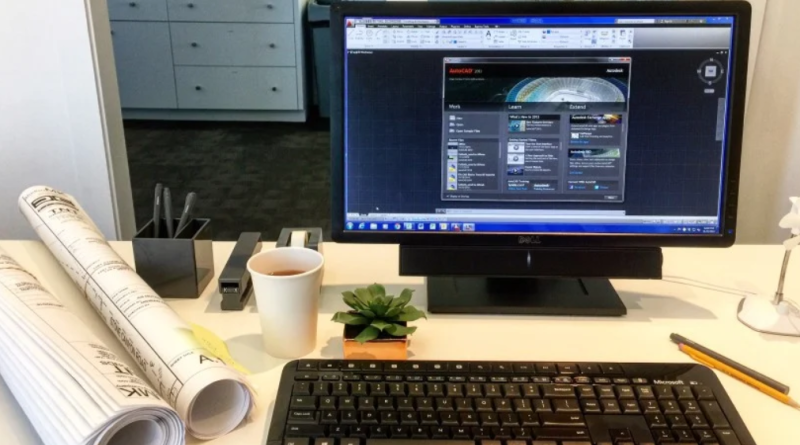
The Best Tools for Improving Collaboration on Construction Sites
Collaboration remains one of the most critical factors in delivering successful construction projects. Traditional methods often create communication gaps, leading to delays and rework. Today’s environment demands tools that enhance accuracy, visibility and coordination among all stakeholders. By adopting connected technologies, contractors can create more efficient and aligned workflows from start to finish.
6 Best Tools for Improving Collaboration on Construction Sites
These are some of the most accurate tools to improve collaboration, efficiency and workflow on construction sites.
1. Field Layout
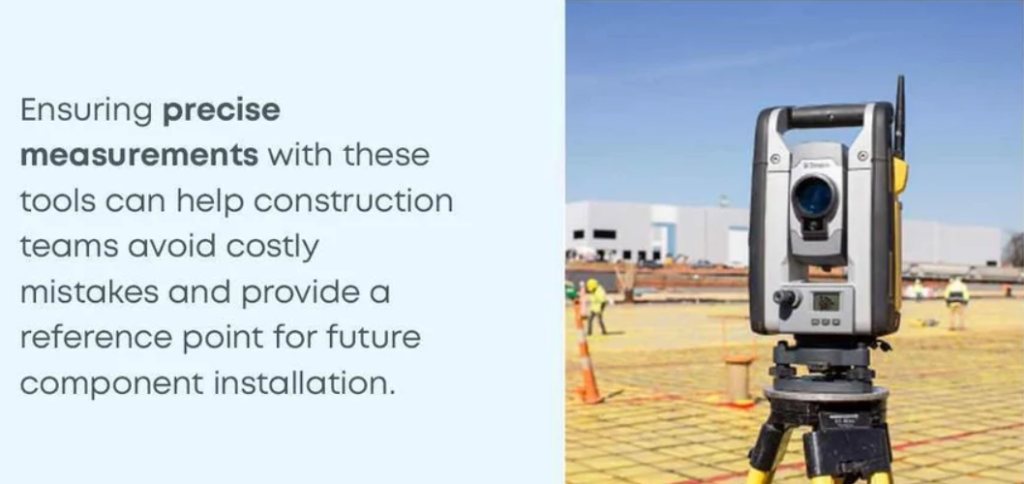
Planning involves making decisions that clarify project objectives and provide a reference for managing construction execution. Workspace management includes processes to coordinate and organize the site for more efficient planning.
Additionally, field layout solutions can be essential in modern construction by bringing coordinated design data directly to the jobsite, replacing manual measurements and paper plans.
This integrated approach provides a single source of truth for all teams, resulting in faster setup, greater accuracy and less rework. An ecosystem of tools, including robotic total stations, GNSS receivers and field software, may provide the foundation for precise positioning.
2. 3D Scanning
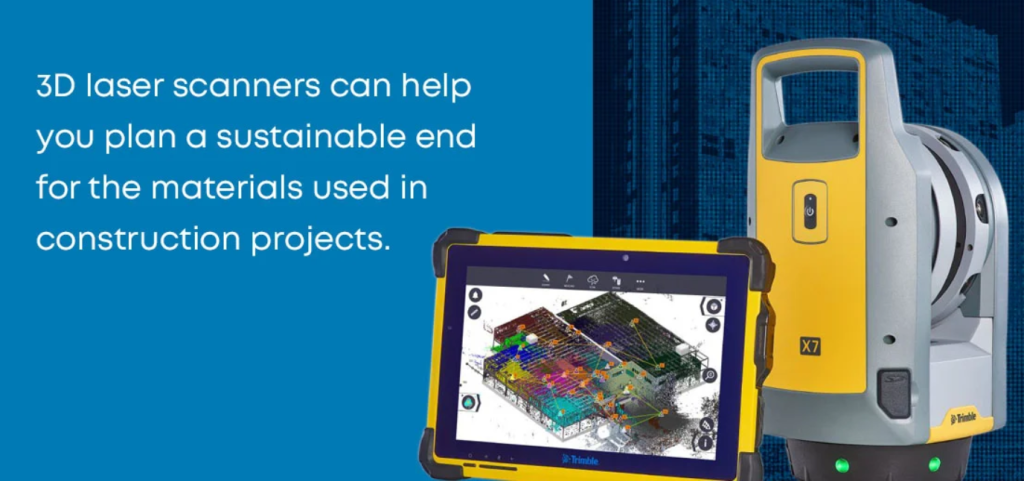
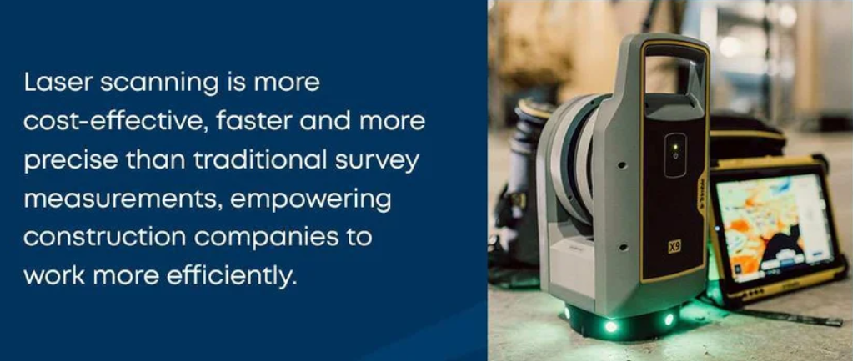
3D laser scanning captures highly accurate and detailed spatial data, generating point clouds that can be used to create precise as-built BIM models. Comparing them to original designs lets teams quickly identify discrepancies and update information to improve fabrication and installation accuracy.
This approach allows for faster data collection and more reliable insights than manual methods. As a result, teams can confidently share accurate information, leading to fewer errors and improved collaboration, particularly on complex projects.
3. Robotics
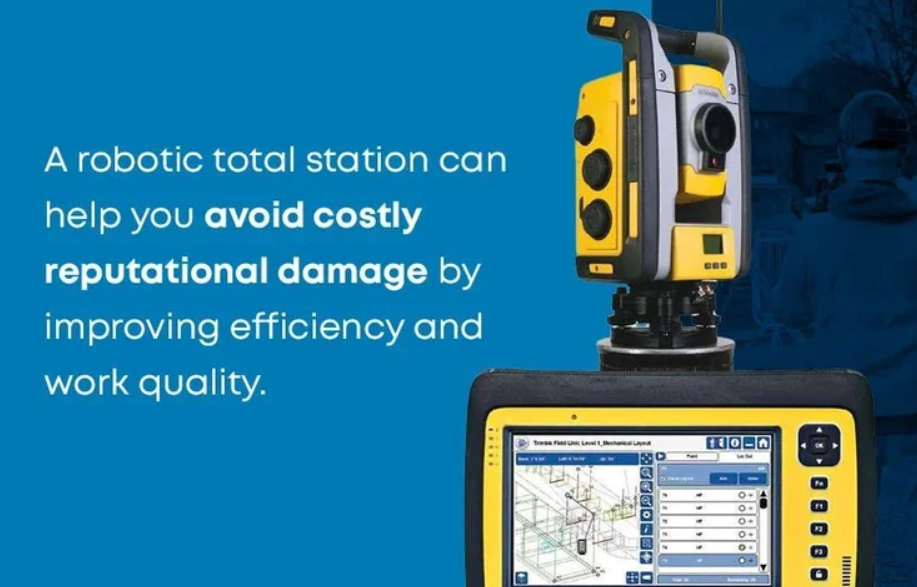
Robotic systems have advanced in both prefabrication and in-situ construction, enabling the fabrication of complex geometries with improved precision and productivity. Tools such as layout robots and automated systems help teams work faster, reduce manual errors and maintain consistency across the jobsite.
By combining the precision of robotics with human decision-making, teams create a powerful new workflow. This synergy improves coordination, streamlines installation processes and enhances overall productivity.
4. Augmented Reality
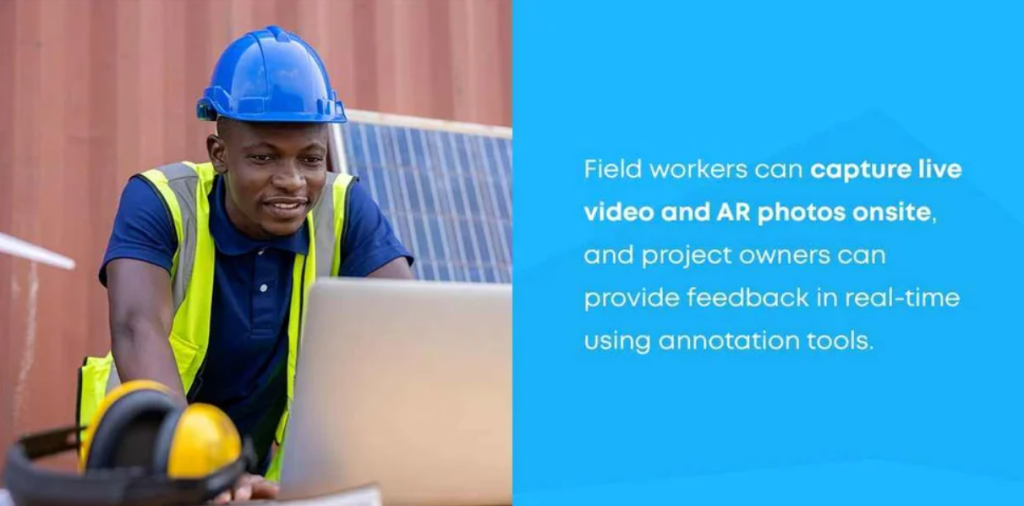
Augmented reality (AR) is transforming how construction teams access, visualize and use project information by overlaying digital models onto physical jobsite environments. When integrated with BIM, it supports progress monitoring, quality inspection and assembly guidance, particularly for tasks that require precise spatial understanding. These include structural work and MEP installations.
By allowing teams to compare digital models with real-world conditions, AR improves installation accuracy and reduces interpretation errors. It also strengthens communication by enabling real-time collaboration between on-site and off-site stakeholders, helping teams coordinate more effectively and complete tasks more efficiently.
5. Workforce Tracking
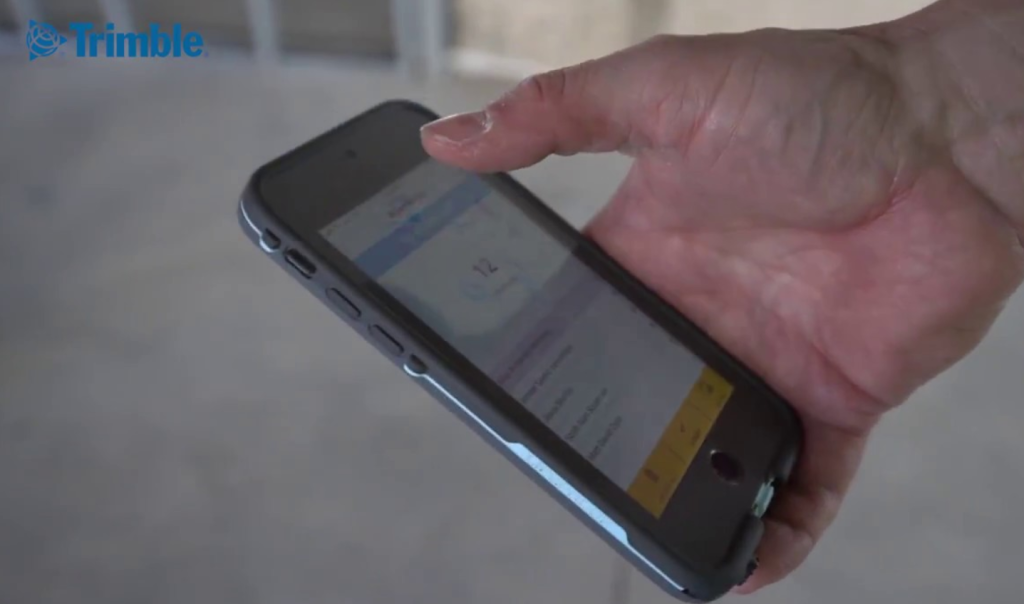
Workforce tracking solutions can help construction teams improve control, visibility and security across the jobsite. It may allow contractors and administrators to organize employee hours, monitor compliance requirements and support reporting processes more efficiently.
It can also enhance safety by giving team leaders clear visibility into worker locations, which is critical during emergencies. Workforce tracking may identify trends, improve planning and reduce labor costs through better data and streamlined processes.
6. Lasers and Tools
Construction lasers and leveling tools provide accurate, shared reference points that keep teams aligned on-site. Tools like line lasers, pipe lasers and auto-levels reduce errors, improve coordination between trades, and support faster, more consistent layout work.
By replacing manual measurements with reliable laser-based systems, teams minimize rework and maintain quality, helping projects move forward more efficiently.
BuildingPoint SouthEast as a Reliable Partner
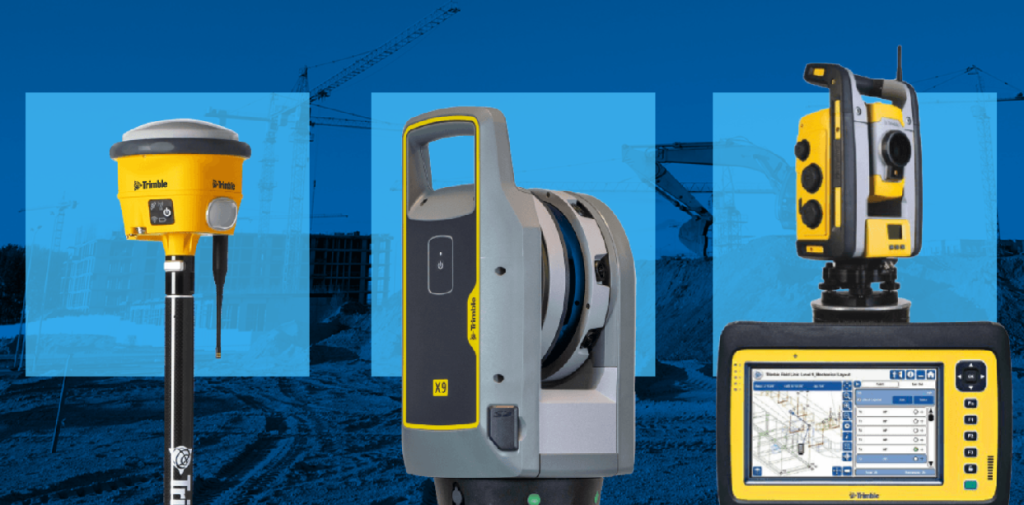
BuildingPoint SouthEast integrates advanced hardware and software solutions to address key communication and workflow challenges on construction jobsites. As an authorized Trimble partner, the company delivers purpose-built technology that connects field and office teams across critical functions.
These include layout, visualization, 3D scanning, drones and workforce management. These integrated solutions help translate design intent into field execution with greater speed, accuracy and efficiency.
As BuildingPoint SouthEast explains, “Translating design intent to the field with speed and ease is a key component to improved productivity in a BIM-centric environment.” By integrating tools such as robotic total stations and 3D laser-scanning systems with connected software, teams can streamline project workflows. This approach enhances productivity and ensures alignment is maintained throughout the project’s duration.
In addition to technology, the company provides training, support, rental options and VDC/BIM services to ensure successful implementation. This comprehensive approach enables construction professionals to work more effectively, reduce inefficiencies and keep projects moving forward with confidence.
Success Story to Eliminate Rework on a Complex Project

A leading general contractor turned to BuildingPoint SouthEast to strengthen its VDC capabilities on a large-scale commercial project. The contractor required 2D architectural drawings converted to 3D models but lacked local BIM resources. BuildingPoint SouthEast provided 3D Revit models and included audio-visual elements, ensuring accurate system representation before construction.
As the project progressed, the team used these models to guide the field layout using robotic total stations. This process enabled the precise installation of intricate ceiling systems that featured multiple angles and radii. Doing this eliminated rework and helped maintain an aggressive project schedule.
In parallel, a consistent QA/QC process identified design conflicts early, reducing costly field issues and improving coordination with design partners. The project resulted in stronger collaboration across different trades and a successful overall outcome. This success reinforced the value of integrating virtual design and construction (VDC) with field technology.
Frequently Asked Questions
Can companies get a demo of a construction management platform?
Yes, most providers offer demos so teams can explore features and see how the platform fits their workflows. This typically includes a walk-through of key tools and use cases relevant to a company’s projects.
What hardware is needed for field-to-office communication?
Common hardware includes tablets or data collectors, along with tools such as robotic total stations, GNSS receivers and scanners, depending on the task. These devices connect with software platforms to share data between the field and office.
How can companies implement a new collaboration system for a construction team?
They can start by identifying workflow needs and selecting tools that align with their projects. Then, they should provide training and phased adoption to help teams integrate the system smoothly into daily operations.
A New Blueprint for Collaboration
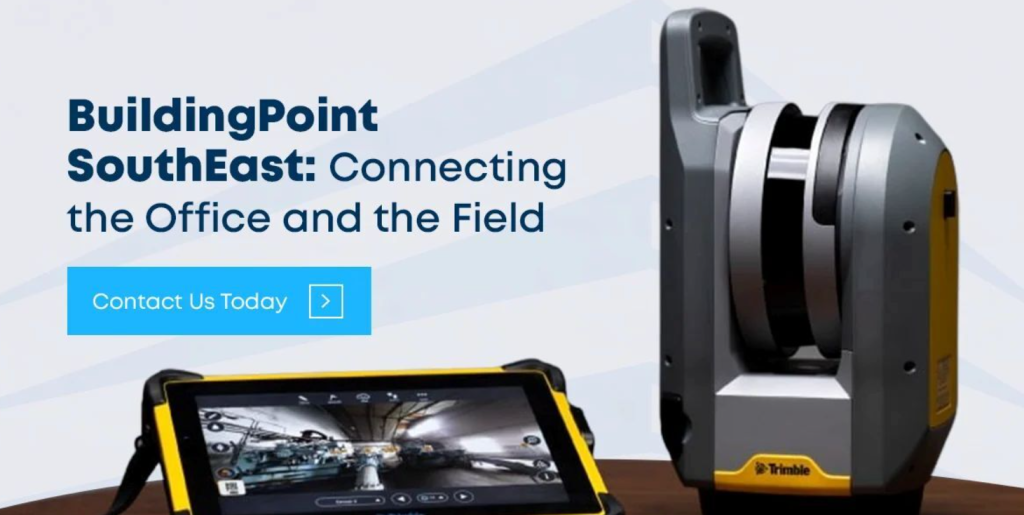
Improving collaboration in construction requires more than communication — it relies on connected tools to unify teams and data. Field layout, 3D scanning, robotics and augmented reality connect design and execution. Workforce tracking and precision tools further increase visibility, safety and accuracy throughout the project. These solutions create a more coordinated and efficient jobsite. Providers like BuildingPoint SouthEast support contractors by implementing integrated systems to streamline workflows and reduce risk.
About Author
Eloise Badenhorst is a digital analyst at an award-winning agency with 18 years of writing experience, including over five years specializing in custom homebuilding, luxury residential design, sustainable materials and innovative construction technologies. With a degree in journalism, postgraduate qualifications in translation & professional writing and visual studies, and professional certification in digital marketing, she brings comprehensive insights on modern home design trends, craftsmanship and the evolving landscape of high-end construction.
*Please note that this list includes sponsored content. Some of the companies, products, or services featured have entered into commercial agreements for placement. Sponsored placements do not necessarily reflect an endorsement and should be considered alongside other options in the marketplace.