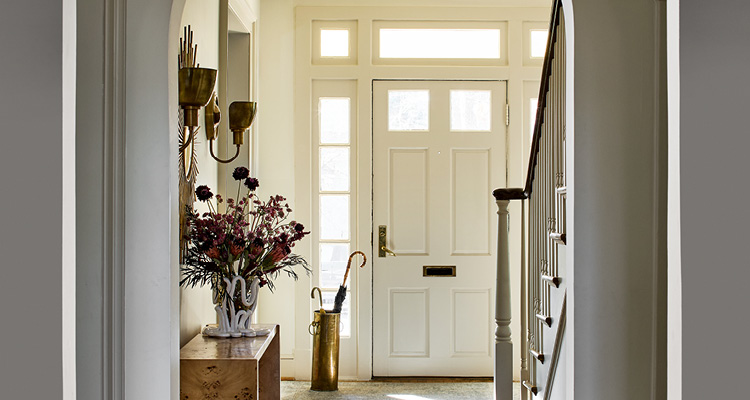
Sydney Katz discusses creating homes that work harder
Luxury in residential design is no longer defined by excess. Today, the most successful homes are those that quietly improve daily life through thoughtful planning, intentional layouts, and spaces that support the many ways people live. Beauty still matters, but increasingly it is paired with function, creating homes that feel effortless to use while remaining deeply personal.
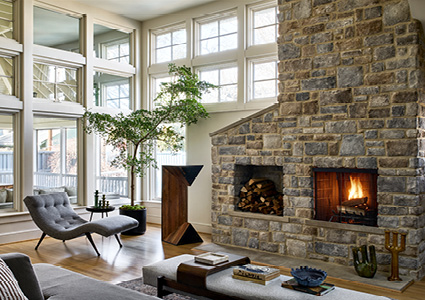
Over the last several years, homeowners have developed a different relationship with their homes. The house is no longer simply where people return at the end of the day. It has become an office, a wellness retreat, a gathering place, an entertainment venue, and a sanctuary for rest. Even as life has become busier outside the home again, those expectations have remained.
As architects, we have seen clients place greater emphasis on spaces that support health and well-being. Dedicated fitness rooms, saunas, filtered water systems, and outdoor living spaces continue to be high priorities. Technology has also become more integrated into everyday life, with homeowners requesting thoughtfully placed charging stations, automated lighting, motorized shades, and whole-home audio systems that simplify daily routines rather than complicate them.
These features are valuable, but they are only successful when they are woven into a home with intention. Technology should disappear into the background. Wellness spaces should feel naturally connected to the way a family lives instead of existing as isolated amenities. The goal is not to add more features. It is to make the home work better.
One of the most significant shifts in residential architecture is that homeowners are thinking more carefully about how they actually use their homes. Dedicated adult spaces such as music lounges, libraries, and bars have become increasingly popular, offering places to gather, unwind, and entertain. Flexible spaces remain important, but homeowners are also recognizing the value of rooms designed with a clear purpose.
Good design has always been about understanding how people live. Today, that understanding requires an even deeper level of planning.
When approaching a new project, I always let the architecture lead. Every home has a story, whether it is rooted in the history of the property, the surrounding landscape, or the aspirations of the family who will live there. The strongest designs grow from that narrative rather than from whatever happens to be trending at the moment.
Trends come and go, but authenticity lasts. I encourage clients to make decisions based on what genuinely reflects their lives instead of what they have seen on social media or in the latest design magazine. When a home is filled with materials, furnishings, and architectural details that resonate personally, it naturally stands the test of time.
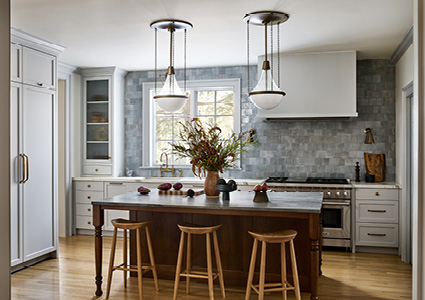
That philosophy also extends to the planning process. One of the most important conversations we have early in a project centers around priorities. Understanding what is truly non-negotiable allows the entire design process to move forward with clarity. In kitchens, for example, appliance selections often influence cabinetry, electrical layouts, ventilation, and circulation. Identifying those decisions early helps avoid costly changes later while ensuring the space functions exactly as intended.
Interior opportunities
Thoughtful planning matters throughout the home, but nowhere is it more important than in highly functional spaces like kitchens, mudrooms, and primary closets. These rooms may not receive the same attention as a dramatic great room or outdoor terrace, yet they have an outsized impact on everyday life.
The architect Le Corbusier famously described the house as ‘a machine for living in.’ While his generation embraced a highly restrained architectural language, the underlying principle remains remarkably relevant today. Homes function best when they are carefully organized, efficient, and designed around the routines of the people who live in them.
At the same time, no one wants a home that feels like a machine. This is where architecture must strike a balance. I often draw from modernist principles when organizing floor plans and designing efficient circulation, but I also look to regional and vernacular architecture to create spaces that feel rooted in their location and connected to history. Functional planning and warm, timeless design are not competing ideas. They strengthen one another.
Once the architectural framework is established, the interiors become an opportunity for clients to express themselves. Whether they gravitate toward traditional furnishings, contemporary pieces, bold color, or a restrained palette, those choices feel more meaningful because they exist within an architectural foundation that is coherent and lasting.
Seamless functionality
One feature I consistently encourage families to prioritize is the mudroom. It may not be the space that appears on the cover of a magazine, but it has an extraordinary impact on everyday living. A well-sized, thoughtfully organized mudroom creates a designated place for the inevitable clutter of daily life. Shoes, backpacks, coats, sports equipment, and pet supplies all have a home. When those items are contained outside the primary living areas, the entire house feels calmer and more organized.
Ultimately, purposeful design is about more than aesthetics. It is about creating homes that support the rhythms of everyday life while maintaining a sense of beauty, permanence, and identity. The most luxurious homes today are not necessarily the largest or the most elaborate. They are the ones that function seamlessly, reflect the people who live in them, and continue to feel relevant for decades to come.
When architecture is grounded in thoughtful planning and authentic storytelling, the result is a home that works harder, lives better, and becomes more meaningful with time.
sdk-arch.com/home
Sydney Katz is the Founder of SDK Architecture. SDK Architecture is dedicated to delivering unparalleled results across a comprehensive array of services, including new construction, additions, renovations, and historic homes, to the finer details like selections and finishes. From concept to completion, SDK Architecture meticulously guides clients through its signature process, ensuring a seamless journey that results in distinguished design and unparalleled homes with timeless architecture.