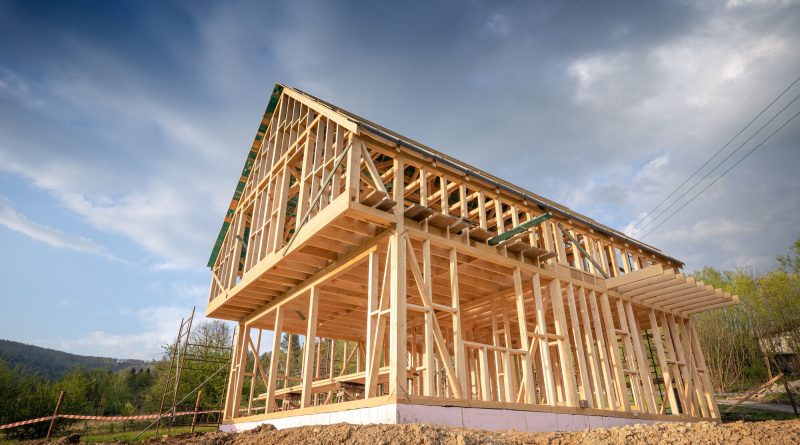
Single-family construction rises as housing market pressures persist
Subscribe to our free newsletter today to keep up to date with the latest homebuilding news.
Single-family home construction rose sharply in August, offering a sign of strength in a US housing market still held back by borrowing costs, weak buyer confidence and rising construction expenses.
Single-family housing starts increased 7.6% from July to a seasonally adjusted annual rate of 918,000, according to the US Census Bureau. The rate was also 5.2% higher than in August 2025.
The increase stood out against a weaker overall market. Total privately owned housing starts fell 2.6% to an annual rate of 1.275 million units. Much of that decline came from multifamily construction.
For builders, suppliers and manufacturers, the August figures show that demand for new single-family construction remains active. However, there is little evidence yet that the increase marks the start of a broad recovery.
Forward-looking measures remain weak. Single-family building permits fell 1.8% in August to an annual rate of 878,000. Total permits declined 2.7% to 1.394 million.
That gap matters. Starts show projects moving into construction. Permits provide an indication of what builders may be preparing to build next. August suggests builders moved ahead with more single-family projects while remaining cautious about adding to future pipelines.
The rebound does not yet point to a wider housing recovery
The longer-term picture remains difficult.
Single-family housing starts were down 4.7% for the year through August, according to the National Association of Home Builders. The group said construction financing costs, housing affordability, lot shortages and labor constraints continue to weigh on new development.
Builder sentiment also weakened in September. The NAHB/Wells Fargo Housing Market Index fell three points to 32. A reading below 50 means more builders view market conditions as poor than good.
Current sales conditions fell to 35, while expectations for sales over the next six months dropped to 37.
Demand remains one of the biggest limits on activity.
Sales of newly built single-family homes fell 10.5% in July to a seasonally adjusted annual rate of 607,000. That was 6.3% below the same month a year earlier.
August new home sales data is due Sept. 24, meaning the stronger construction figures cannot yet be compared with sales data from the same month.
Builders are already responding to softer buyer traffic. In September, 38% of builders surveyed by NAHB said they had reduced prices, up from 35% in August. The average reduction was 6%. Another 66% said they were using sales incentives, the highest share since December.
These figures show how much pressure remains on builders to convert buyer interest into completed sales.
Builders are balancing construction volumes against higher costs
The pressure extends beyond mortgage rates.
Material costs, labor shortages, land prices and tighter lending conditions continue to affect builder confidence and project economics.
That creates a difficult operating environment for homebuilders. Companies need enough production to meet demand and use land efficiently, while avoiding excess inventory if buyers remain hesitant.
The effect also reaches across the construction supply chain.
A sustained increase in single-family starts would support demand for lumber, roofing, insulation, windows, concrete, HVAC equipment and other building materials. It would also support freight activity and demand for skilled construction labor.
However, a weaker permit pipeline makes it harder for suppliers to judge whether a short-term rise in orders will continue into later quarters.
The August numbers therefore point in different directions. Current single-family construction improved, while planned future activity weakened.
Builders may continue to favor projects in markets with stronger local demand, lower land costs and home prices that remain within reach for buyers.
For suppliers, contractors and manufacturers, that could make regional exposure increasingly important. A national rise in starts may not translate into equal demand across every market.
The next test is whether demand follows construction
Regional data already shows wide differences in activity.
Through August, total housing starts were up 10% year to date in the Northeast and 0.4% in the Midwest. They were down 2.4% in the South and 3% in the West.
Single-family permits in the Midwest were up 2.9% over the same period, making the region one of the stronger areas for planned construction.
That variation matters for businesses serving the housing sector. National totals can hide large differences in material demand, labor availability and construction pipelines between markets.
The industry now needs to see whether August’s increase in single-family starts can continue while borrowing costs and affordability remain difficult for buyers.
The next set of new home sales figures will add an important part of that picture. Stronger demand alongside higher construction activity could give builders more confidence to increase future pipelines.
If sales remain weak and permits continue to fall, August may prove to have been a stronger month within a market that remains cautious.
For builders and their suppliers, that distinction will influence purchasing, production and investment decisions well beyond a single month’s housing report.
Source