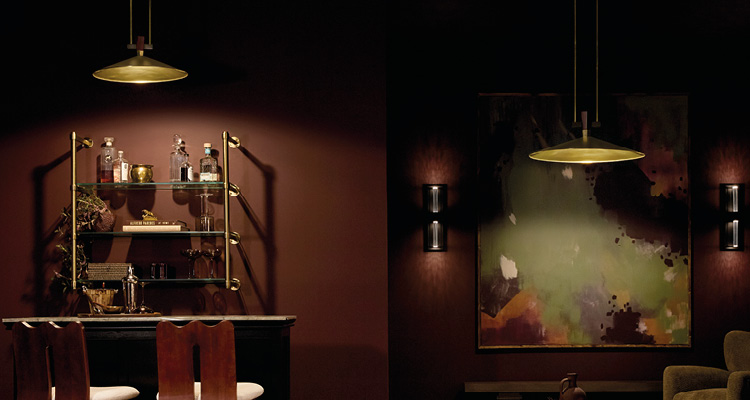
Lighting as the architectural foundation of refined living
Lighting is undergoing a fundamental shift. What was once purely functional has become a design element that shapes mood, movement and memory within a home. For builders, lighting is no longer a finishing touch. It is a strategic tool that elevates their approach to high-end design while meeting the evolving needs and expectations of today’s homeowners in unprecedented ways.
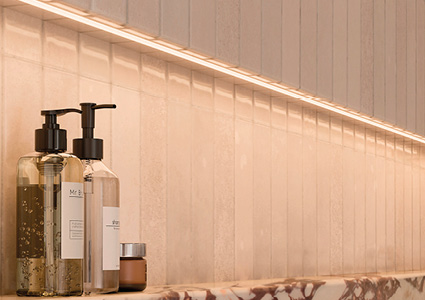
As new technologies emerge and design preferences shift, lighting must be both beautiful and intelligent. It defines volume, reveals texture, and shapes the emotional architecture of a space. Today’s homes require solutions that balance performance, efficiency and personalization, allowing each room to tell a story rather than exist as a static backdrop. Every space should feel intentional, not incidental. When integrated early in the building process, lighting moves from accessory to architectural language.
Wellness-focused lighting is now the standard
One of the most significant evolutions in residential design is the rise of human-centric lighting that sup-ports circadian balance and overall wellness. Wellness is no longer confined to a dedicated space – it is embedded into the infrastructure of the home.
Color-selectable and circadian-inspired systems allow homeowners to adjust lighting throughout the day, supporting the body’s natural rhythms and creating environments aligned with how people live and work. Pre-wiring for dimmable and tunable systems offers flexibility for homeowners without expanding project scope.
Builders who integrate adaptable lighting systems are better positioned to meet the realities of modern life. Energizing a workspace in the morning, softening light in the evening, and creating calm everywhere in between – it’s thoughtful illumination that evolves as the day unfolds.
Efficiency and performance matter at every stage
While aesthetics and design continue to advance, efficiency remains essential. Builders often prioritize simplified installation, durable materials and long-lasting performance to meet timelines and budgets. Standardized mounting systems, integrated LED technology and versatile fixtures that offer selectable col-or temperatures further support the installation process while reducing complexity and minimizing long-term maintenance concerns.
At the same time, homeowners expect intuitive controls, long-term reliability and adjustable features that adapt seamlessly to daily life. Bridging all elements together – delivering robust products that are easy to install, yet flexible enough to adapt to lifestyle changes – has become the hallmark of a successful lighting strategy. Today’s clients expect more than brightness. They expect atmosphere. In a world that rarely slows down, design-forward, innovative solutions must also deliver simplicity and ease. Lighting is one of the most immediate ways to transform a home from templated to tailored.
Layering lighting to elevate craftsmanship
Layered lighting begins with integrated systems that shape how a space functions. Recessed downlighting, adjustable accents, undercabinet or toe-kick illumination support daily tasks and define circulation. Adding decorative lighting made from textured materials like ribbed wall sconces or fluted glass chandeliers creates a subtle shift in shadows, further developing personality and dimension within a room.
When these layers are considered together – rather than independently – they create cohesion between performance and design.
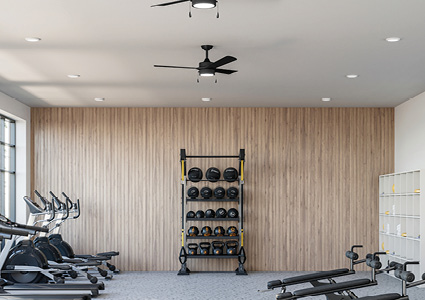
For builders, coordinating lighting at the architectural planning stage enhances the intended experience of a home. These details do more than add visual interest and spark conversation. They articulate craftsmanship. They reinforce the idea that lighting is not an afterthought, but a defining element of architectural storytelling.
Sculptural fixtures and natural materials redefine design
Design today is defined by authenticity. Natural materials are influencing everything from finish to form. Lacquered brass, leather accents and woven textures introduce warmth and craftsmanship. Organic shapes and fluid silhouettes reflect a move away from overly polished perfection toward materials that feel grounded and enduring.
Lighting has stepped into a leading role within interior design. Sculptural fixtures crafted from tactile materials offer both artistry and permanence, while thoughtful layering fills a room with depth that feels intentional. Together, these elements work in harmony to elevate lighting from a supporting detail to a defining statement.
Lighting is foundational infrastructure
Light is the invisible thread connecting one space to the next. As homebuilding continues to evolve, lighting has become central to performance, personalization and overall experience.
Homeowners expect lighting that supports efficiency, enhances well-being and contributes meaningfully to the character of their homes. Builders who approach lighting with early-stage intentionality, selecting high-performing components that balance quality with customization, will deliver homes designed for longevity.
Lighting has moved beyond utility. It shapes how a homeowner feels as they move through a space; refreshed, inspired, and comforted.
Illumination is not the final layer – it is the foundation.
Coleto Brands unites flagship lighting brands Kichler and Progress Lighting to support builders with design-driven, high-performance solutions. Its portfolio spans interior and exterior decorative lighting, bath and vanity, architectural systems, ceiling fans and landscape lighting.