How to Protect Water Quality When You Build, Renovate or Inherit a Home Built Before 1986
Whether an older home changes hands through a purchase or an inheritance, settling in often starts with imagining how its rooms will look and feel. As those ideas turn into renovation or addition plans, questions about the plumbing deserve greater attention before any major work begins. For properties built before 1986, the possibility of lead in drinking water makes that conversation relevant to household safety.
How Older Plumbing Can Affect Water Safety
According to the U.S. Environmental Protection Agency (EPA), pre-1986 properties are more likely to contain lead pipes, making construction date a useful starting point for buyers. In houses with a lead service line, that connection to the water main typically accounts for the largest share of metal-related contamination. Even after that line is replaced, brass fixtures or copper piping joined with lead-containing solder may remain as other potential sources.
Stephens Plumbing & HVAC says lead “leaches most actively when water sits motionless in the pipe for hours,” and the effect grows stronger when the water itself is acidic or low in minerals. An overnight pause or a long workday away can therefore influence what reaches the tap.
Because lead has no detectable taste, smell or color in water, appearance alone cannot establish whether a tap is affected. The EPA identifies testing as the only way to determine whether harmful amounts are present.
Among families with children, even small amounts of lead in the bloodstream may affect learning or behavior. With no identified safe level for this age group, the Centers for Disease Control and Prevention emphasizes preventing exposure before harm occurs.
Inspecting Older Plumbing Before Moving In
Plumbing contractor Reynalds Brothers Plumbing & Environmental explains that older pipes can affect drinking water by “slowly leaching harmful substances like lead and copper as they deteriorate.” The company points to regular inspections of plumbing systems as a practical way to assess their condition before hidden issues become disruptive.
During a visit, inspectors examine accessible pipes beneath sinks or in basements and crawlspaces, looking for corrosion and active leaks. They also measure pressure and flow at several points before checking the water heater and its valves for sediment buildup.
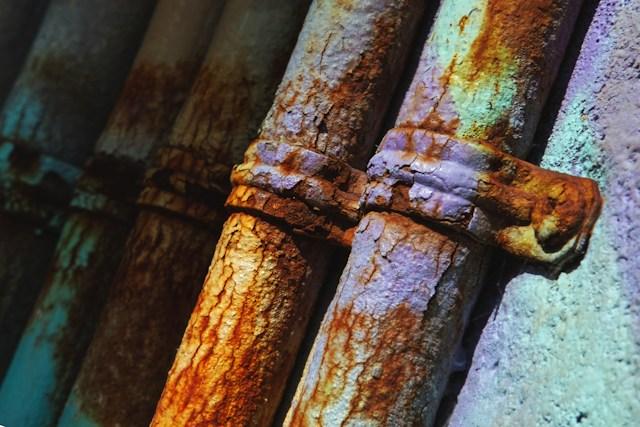
In older galvanized steel pipes, rust often progresses from the inside out, narrowing the passage and reducing flow before a leak becomes obvious. Recognizing that pattern helps connect a pressure complaint with a possible material problem, rather than treating it as an isolated inconvenience.
Where drain problems remain out of view, a sewer camera can reveal roots, cracked joints or buildup that a walk-through may miss. Because that equipment assesses drainage, not lead levels, buyers can clarify what the visit covers and whether drinking-water testing requires a separate arrangement.
Renovating Without Raising Lead Levels
Opening walls during a kitchen or bathroom remodel offers a chance to assess concealed plumbing before new finishes cover it again. Delta Plumbers cautions that partial replacement “can disturb scale inside the old line,” allowing deposits coating the pipe’s interior to release a temporary surge of lead into drinking water.
To address that risk, the contractor favors replacing affected lead lines completely, rather than leaving older sections in place. Copper or flexible plastic piping may suit the new installation, depending on the layout and the plumber’s assessment.
If that review also uncovers polybutylene, the guidance recommends replacing that older plastic throughout the affected system because it presents a separate failure concern. For lead-related work, residents can ask about flushing and follow-up testing when arranging shutoffs and fixture reconnections.
Before installation, the contractor must map routes and access points to limit unnecessary openings in finished rooms. Furniture and floors may also need protection while crews work. Once the new pipework is in place, crews pressure-test it for leaks before making the final connections and patching the access holes.
Filtration and Water Treatment Options
While a household arranges permanent repairs, a suitable filter may help reduce lead at the tap. Pentair advises checking that systems maintain proper certifications, specifically to NSF International’s Standard 53 for lead reduction. “Otherwise, it might not be powerful enough to reduce the lead in your water,” the company notes.
The manufacturer also describes under-sink units as an alternative to whole-house equipment for homes with a focus on drinking and cooking taps. Within that category, some models connect directly to the cold-water line while others use a separate dispensing faucet, giving residents options suited to their routines.
Whichever setup suits the home, it remains important to follow the manufacturer’s cartridge-replacement instructions, as heavier use may shorten the interval between changes. Even with a schedule in place, a noticeable drop in flow can signal clogging and prompt an earlier check.
Ongoing Upkeep to Keep Water Safe
When the age of plumbing materials is uncertain, Putman Plumbing recommends that a certified laboratory conduct a water test to investigate suspected lead issues. Its guidance also suggests reviewing the utility’s annual water-quality report or testing a private well yearly.
Owners inheriting such a property can ask when the last sample was collected and what it covered before arranging the next check. Keeping a dated record of those findings gives future maintenance discussions a clearer starting point.
Minerals or bacteria may also affect water quality, sometimes changing its taste or smell. Asking a qualified professional about the test results can help homeowners understand what was found and whether further action is needed.
Between maintenance visits, checking under sinks and near the water heater for moisture provides a practical way to spot developing trouble. If a damp patch or musty odor appears, promptly identifying and repairing the cause may help limit water damage before a small problem can spread.
Safeguarding Water Quality in Older Homes
Before moving into or remodeling an older home, owners can use inspection findings to decide which plumbing updates are worth making. With that information, they can plan any replacement work and choose suitable filtration while building regular upkeep into their routine for water safety. A flexible approach leaves room to revisit decisions as household circumstances change without assuming every house needs the same repairs or treatment at every stage.
*Please note that this list includes sponsored content. Some of the companies, products, or services featured have entered into commercial agreements for placement. Sponsored placements do not necessarily reflect an endorsement and should be considered alongside other options in the marketplace.