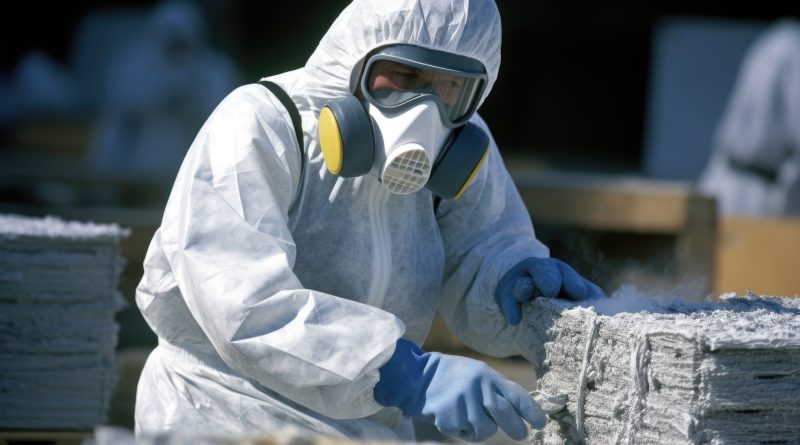
Hidden Asbestos: Detection Methods and Compliance Requirements for Renovation Projects
A routine walk-through rarely shows what’s hiding in an older building. Hidden asbestos can lurk behind walls and under floors until renovation crews begin demolition, putting workers at risk and contractors in legal jeopardy. Asbestos testing turns that guesswork into a plan. Understanding detection and compliance keeps restoration and construction projects safe and on schedule.
The Risks of Asbestos in Aging Structures
Asbestos has been in use for nearly 4,000 years, from African and Finnish pottery to the chinking of early Finnish log cabins. Its ability to withstand extreme heat, block electricity and resist chemical breakdown also explains why manufacturers eventually worked it into roughly 3,000 to 5,000 commercial and industrial products.
In construction, the material’s legacy becomes hazardous once crews start cutting and drilling, as each disturbance releases microscopic fibers into the air. Inhaled over time, those fibers can scar lung tissue, while certain cancers such as mesothelioma may not show symptoms for several decades after the initial exposure. This makes early warning signs easy to miss.
An older building’s solid track record may not fully reflect its safety, especially since intact insulation, flooring and wall products can pass for standard, modern building components. Therefore, a deliberate investigation is the most reliable way to identify the material in advance.
On-Site Methods for Locating Asbestos
A certified asbestos inspector with state-specific credentials begins by walking every area the planned work will touch, from surfaces and flooring to mechanical systems and structural elements. Anything that looks suspicious gets flagged for closer attention, since a glance at the surface rarely tells the whole story.
Much of the suspect material is hidden behind walls or beneath floors, so the inspection often requires opening up these spaces. Once fully exposed, the inspector carefully collects small samples from each spot and prepares them for laboratory analysis.
Surveyors must assess the quantity, location and physical condition of each material, since all three details determine how contractors handle the situation going forward. Recording that information in full provides future crews with a reliable reference, helping anyone entering the space avoid an unexpected hazard.
Teams that book the survey early may have room to adjust demolition dates and material orders if something comes up, which can spare the project budget from costly delays. That flexibility matters most on tight restoration schedules, where a single discovery can otherwise reshuffle several trades at once.
Confirming Asbestos Through Laboratory Testing
Once collected, samples are sent to a specialized laboratory, where microscopic analysis confirms the presence of asbestos. Because each sample is analyzed individually, the results show which materials contain it and which do not. Asbestos testing at this stage turns a hunch from the survey into a documented finding that the whole team can act on.
Equally important, reliable results depend on laboratories that maintain stringent accreditation, demonstrating they meet recognized quality standards for material evaluation. With accreditation programs often requiring ongoing proficiency testing, the credential reflects steady performance over time rather than a single passing grade.
Contractors who ask where their samples go gain more confidence in the answers they receive. As such, checking a lab’s accreditation beforehand is critical and takes only minutes.
Compliance Requirements for Asbestos During Renovations
Asbestos compliance depends on the type of work, the amount of regulated material involved and the level of worker exposure. These requirements generally fall into these two key areas.
EPA Notification Requirements Before Renovation Begins
The Environmental Protection Agency (EPA) does not require regulated asbestos to be removed before renovation on projects that disturb less than 260 linear feet, 160 square feet or 35 cubic feet of material. Demolition follows different rules that generally require notifying the appropriate agency regardless of size. Because those amounts are nearly impossible to judge by eye, industry professionals stress the importance of early testing.
In that spirit, Rhode Island Restoration recommends that property owners have questionable materials tested by certified professionals before any renovation or demolition work begins, rather than attempting to assess asbestos risk on their own. “This may involve sampling and testing materials suspected of containing asbestos,” says the company.
OSHA Exposure Limits and Medical Surveillance Rules
Worker safety falls under the Occupational Safety and Health Administration (OSHA), whose construction standard ties medical protections to specific exposure levels and work-day counts. On jobs involving asbestos exposure, compliance typically means meeting the following rules:
- Monitoring trigger: Workers exposed at or above the permissible exposure limit, or who perform certain asbestos work for 30 days or more per year, are subject to the standard’s medical surveillance requirements.
- Initial exam: Once a worker crosses that threshold, employers generally arrange a first medical evaluation within a defined window, establishing a health baseline from the start.
- Ongoing exams: After that first evaluation, affected workers receive follow-up exams on a regular schedule for as long as their exposure continues.
Frequently Asked Questions
Renovating around asbestos raises plenty of questions, from survey findings to federal rules for safety and removal. These are the most frequently asked questions about asbestos testing in older properties.
What makes asbestos dangerous in older buildings?
Cutting, drilling or demolition on aging materials sends tiny fibers into the air, where anyone nearby can inhale them. Over time, that exposure can scar lung tissue and may lead to cancers such as mesothelioma, a disease that can stay silent for decades. Because these materials look ordinary, crews can disturb them well before anyone on-site suspects a problem, leaving fibers to spread through the work area.
How does asbestos testing confirm hidden materials?
An inspector first surveys the entire workspace, noting the amount, location and condition of suspect materials before collecting samples. An accredited laboratory then examines each sample under a microscope to verify its contents. Once those findings return, they guide every decision about how the work can proceed safely, from crew protections to scheduling the trades around any required removal or cleanup of the confirmed material itself.
What happens when renovation work disturbs regulated asbestos?
While the EPA sets size thresholds determining whether regulated material must be removed before renovation, most demolition also requires notification to the appropriate agency, regardless of project size. OSHA then adds medical monitoring for workers who reach its exposure or workday standards, including a first exam within a defined window and follow-up exams as long as that exposure lasts. Together, these rules protect the project and its on-site crew.
Protecting Workers and Timelines From Hidden Asbestos
Surprises halfway through a renovation usually trace back to something nobody checked at the start. Asbestos testing replaces that uncertainty with clear information, allowing crews to plan around real site conditions and keep workers out of harm’s way. Once the compliance steps are in place, schedules and budgets become far easier to keep steady. On older properties, that diligence tends to keep paying off long after the project fully wraps.
*Please note that this list includes sponsored content. Some of the companies, products, or services featured have entered into commercial agreements for placement. Sponsored placements do not necessarily reflect an endorsement and should be considered alongside other options in the marketplace.