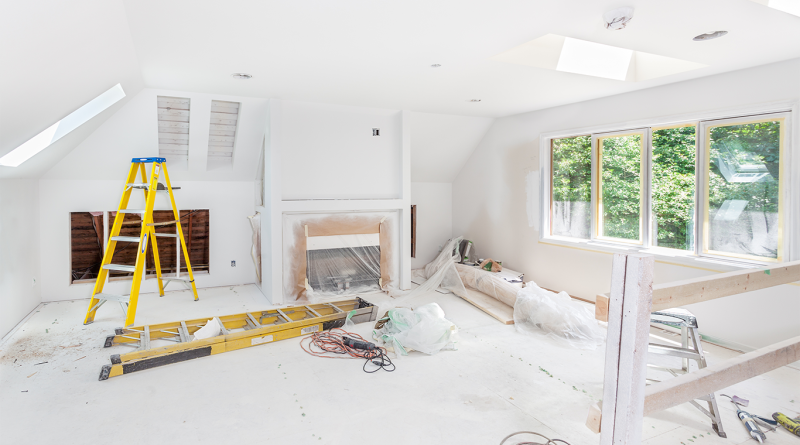
Harvard forecast shows remodeling spending stuck near $525 billion
Subscribe to our free newsletter today to keep up to date with the latest homebuilding news.
US remodeling spending is expected to stay close to $525 billion a year through the third quarter of 2027, according to the latest Leading Indicator of Remodeling Activity (LIRA) from the Joint Center for Housing Studies of Harvard University. The forecast, released in October, projects year-over-year growth of only 1.5% by the third quarter of next year.
The outlook adds to a run of soft readings for the home improvement market and suggests that owners who are staying in their homes for longer are not, so far, turning that decision into a wave of larger renovation projects. Spending is holding its level rather than shrinking, but the forecast offers little sign of the growth that remodelers and building products suppliers would need to offset weaker demand elsewhere.
For residential builders, remodelers, and suppliers, the forecast points to a market that is keeping its size rather than expanding, with no clear rebound expected over the next 12 months.
Weak home sales and falling starts are holding back renovation demand
The Joint Center attributes the flat outlook to several pressures in the wider housing market. Rachel Bogardus Drew, director of the center’s Remodeling Futures Program, pointed to retail spending on building products that has been flat to negative, and to remodeling permit activity that has failed to pick up.
Chris Herbert, the center’s managing director, linked the outlook to continuing declines in housing starts and persistent weakness across the broader housing market. He warned that those headwinds could slow growth in remodeling spending further in the quarters ahead.
Remodeling and new construction are closely connected. Home sales typically prompt renovation work, as new owners update kitchens, bathrooms, and building systems in the months after buying, so a market with fewer transactions tends to produce fewer of those projects. Falling starts also reduce the volume of work for the trades and suppliers that serve both new homes and renovations, which means a slowdown in one channel is rarely offset by strength in the other.
A flat market leaves remodelers competing for a fixed pool of work
A market holding at around $525 billion is still very large, but a flat forecast changes how remodelers and suppliers plan for the year ahead. Firms that had budgeted for steady growth may need to compete harder for a similar volume of projects, while suppliers that serve both the new construction and remodeling channels face softer demand on both fronts at the same time.
The pressure is likely to fall unevenly. Contractors focused on essential repairs and replacements, such as roofs and heating and cooling systems, tend to see steadier demand than those that depend on discretionary projects, which homeowners can postpone when the housing market is uncertain or borrowing is expensive.
The LIRA projects spending over the coming 4 quarters using leading indicators such as permits, home sales, and retail sales of building materials. Because those inputs move with the wider housing market, any improvement in sales activity or permit volumes would be likely to appear in future readings before it shows up in actual spending.
The next LIRA release is scheduled for Jan. 21, 2027. It will show whether the center’s warning about further slowing proves correct, or whether homeowners who have delayed projects while the housing market has stood still begin to move ahead with them during 2027.
Source
Harvard Joint Center for Housing Studies