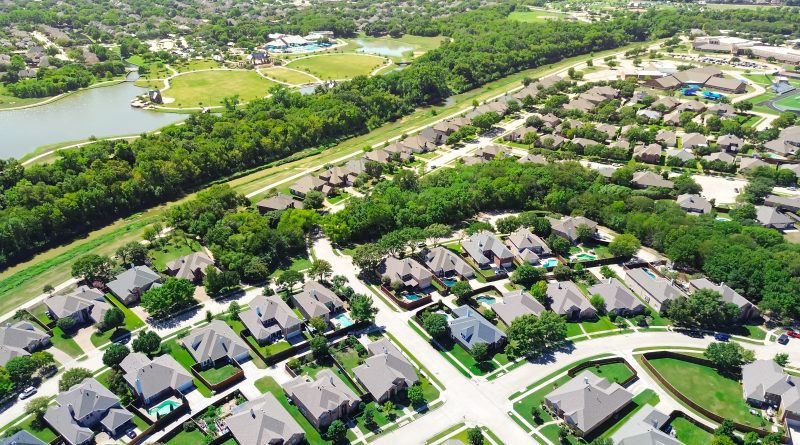
Dallas overtakes Houston as America’s hottest new-home market
Subscribe to our free newsletter today to keep up to date with the latest homebuilding news.
Dallas has claimed the top position in a new national ranking of homebuilding activity, reinforcing North Texas’ growing role in shaping the future of US housing development.
A ConsumerAffairs analysis of residential building permits and new-construction home sales during the first two months of 2026 ranked Dallas as the nation’s most active city for new-home construction. The city issued 11,327 residential building permits between January and February and recorded 3,009 new-construction home sales, placing it ahead of Houston and many larger metropolitan areas.
The ranking highlights more than a strong start to the year. It reflects how Dallas has become a case study for cities seeking to address housing shortages while supporting rapid population and economic growth.
Dallas moves ahead in the national homebuilding rankings
Texas cities have long featured prominently in discussions about housing growth because they have consistently added new supply at a pace few markets can match. The latest figures suggest Dallas has emerged as the leader.
Houston ranked second in the ConsumerAffairs study, supported by the highest number of new-construction home sales nationally. New York City followed in third place, ahead of Phoenix, Atlanta and Los Angeles.
The results underline Texas’ position as the country’s leading state for residential development. Four Texas cities appeared in the national top 10, including Dallas, Houston, Austin and San Antonio. That concentration of activity reflects both strong demand and a development environment that remains more flexible than many competing markets.
As cities across the country struggle with affordability pressures and limited housing inventory, Dallas has maintained a substantial construction pipeline. Its ability to bring new homes to market has become increasingly important as migration into the region continues.
Housing reforms are creating new development opportunities
A key driver of Dallas’ rise has been a series of policy changes designed to encourage residential development.
During the past year, Dallas City Council introduced reforms intended to reduce barriers for builders. Among the most significant changes was a revision allowing residential buildings with up to eight units to be developed under less restrictive residential standards rather than the more demanding International Building Code requirements previously applied to similar projects.
For developers, the changes can lower costs, simplify compliance requirements and improve project viability. For city leaders, the goal is to increase housing supply and expand options for residents in a competitive market.
The reforms arrive as municipalities across the US reassess zoning rules and development standards in response to persistent housing shortages. Policymakers are increasingly focused on identifying regulations that may unintentionally restrict new housing supply.
Dallas’ approach also supports the development of so-called missing-middle housing, including duplexes, townhomes and smaller multifamily projects that can add density without dramatically changing established neighborhoods.
Population growth continues to fuel housing demand
The strength of Dallas’ housing market is closely tied to the region’s economic performance.
The Dallas-Fort Worth Metroplex remains one of the country’s leading destinations for corporate investment and business expansion. Companies operating in technology, finance, manufacturing and logistics have expanded across North Texas during the past decade, bringing substantial job growth.
Population gains have followed. New residents continue to relocate from higher-cost markets in search of employment opportunities and a comparatively affordable cost of living.
That steady influx has supported demand across a wide range of housing types. Builders have responded with new single-family developments in suburban communities while increasing multifamily construction throughout the region.
Despite higher borrowing costs and broader economic uncertainty, North Texas continues to attract residents and investment. Demand may fluctuate in the short term, but the region’s long-term growth trajectory remains intact.
DFW remains the nation’s most active housing market
Dallas’ ranking forms part of a broader regional success story.
The Dallas-Fort Worth Metroplex authorized nearly 72,000 residential units during 2024, including single-family homes, apartments and condominiums. That figure exceeded every other major metropolitan area in the US and reinforced DFW’s position as one of the country’s most productive housing markets.
Unlike regions where development is concentrated in a single urban center, North Texas benefits from growth across multiple counties and municipalities. Communities throughout Collin, Denton, Tarrant and Rockwall counties continue to add housing at scale, helping accommodate population growth across the region.
This geographic diversity provides a significant advantage. A larger development footprint offers builders greater flexibility while giving buyers and renters a wider range of housing choices.
The challenge now lies in ensuring infrastructure, transportation systems and public services keep pace with continued expansion.
The next challenge is maintaining affordability
Strong construction activity alone will not solve every housing challenge facing Dallas.
Affordability remains a concern across many US housing markets, including North Texas. Rising land values, labor constraints and higher construction costs continue to affect the economics of residential development.
Even so, expanding supply remains one of the most effective ways to moderate long-term housing pressures. By sustaining a strong development pipeline, Dallas is in a stronger position than many cities where restrictive policies have limited new construction.
Recent reforms suggest local officials recognize the importance of maintaining housing production as the city grows. As population gains and economic investment continue, the ability to deliver new homes at scale will remain a defining factor in Dallas’ competitiveness.
The city’s rise to the top of the national homebuilding rankings reflects more than a short-term surge in activity. It demonstrates how housing policy, economic growth and development capacity can combine to shape the future of one of America’s fastest-growing metropolitan regions.
Source