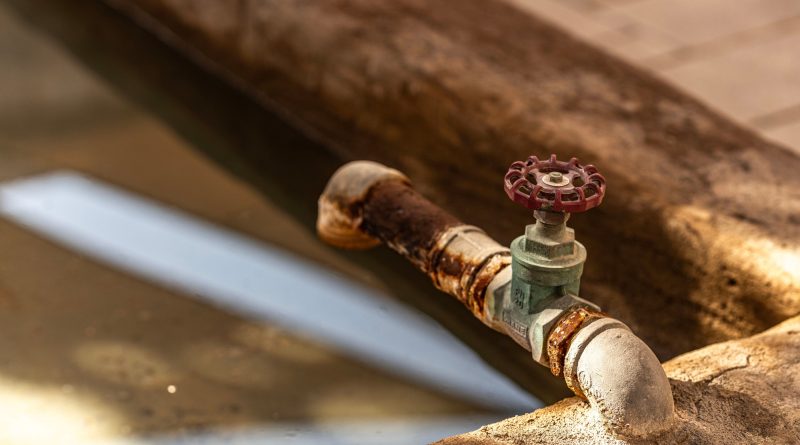
Coordinating Construction Projects Around Aging Water Infrastructure
Beneath most city streets and older building sites, water and sewer pipes have been carrying flow for many years. Construction teams that break ground near them inherit whatever condition those pipes are in today. Aging water infrastructure appears on drawing sets with uneven detail, and it shapes budgets and excavation methods from the first day on-site. Effectively coordinating a project around it takes early investigation and a clear plan for what happens when an aged pipe behaves unexpectedly.
How Do Aging Pipes Impact the Construction Picture?
Water systems in the United States are old and getting older. According to industry data, nearly 20% of installed water mains have outlived their intended service life, and the country still records roughly 240,000 breaks each year. This means that any trench or foundation excavation near an aging main carries a chance of disturbing a pipe that was already close to failing.
Sewers represent another potential bottleneck. If a sewer was built decades before modern standards, its depth and material may differ from what old plans communicate. Sometimes, a line that looks routine on paper can turn out to be a fragile clay pipe sitting a few feet from the planned footing. Project teams that always assume the drawings are correct are at risk of finding out otherwise when a backhoe is already in the ground.
Additionally, work near public mains and sewers generally requires approval from the agency that owns them, and review can be stretched for extended periods when records are incomplete. Submitting investigation results with the application gives reviewers what they need and shortens the back and forth.
Finding Out What’s Underground
Oftentimes, records are the first place a team looks when a project commences. Utility owners maintain maps of varying age and accuracy, and abandoned lines may not appear on any of them. Unexpected utility conflicts rank among the leading causes of construction delays and cost overruns. Locating and mapping utilities early reduces the risk of costly surprises later.
At the same time, pipe materials offer an early clue about how a line will respond to nearby work, since clay and early cast iron lines can crack and separate as the material degrades. A camera inspection of the sewer segment before excavation reveals cracks and root intrusion that the plan sets omit and provides the team with a baseline condition to document.
Test holes at critical crossings add another layer of certainty. Exposing a pipe by hand at the planned excavation line confirms its exact depth and material, allowing designers to shift a footing or trench by a few feet rather than redesigning around a surprise. Construction teams are advised to record every finding on a shared drawing set, allowing the field crew and the designers to work from the same information.
The Costly Consequences of Getting It Wrong
Cast iron mains are brittle by nature, and the risk of failure increases considerably once corrosion combines with outside disturbance, such as vibration from nearby blasting. A single break occurring during construction can result in a flooded excavation, halting the crew while the utility owner isolates the line. Change orders follow, and any schedule float the project had tends to disappear. Delays compound quickly. A shutdown that runs over by a day delays the following trades, and rented equipment sits idle while the schedule is rebuilt.
Construction management teams must also acknowledge that service interruptions extend the consequences beyond the jobsite. Neighboring buildings could lose water, and utility owners typically require flushing and testing before service returns. If businesses on the block absorb the disruption, it could strain relationships with the community.
Responsibility for repair costs depends on the contract and on what was known before work began, making documentation valuable to every party. Having a project file containing survey results and dated inspection footage gives involved parties a shared record to rely on when a dispute arises.
Practical Ways to Reduce the Risk
Coordination with the utility owner should be a priority. Early meetings settle shut-off locations and establish who is authorized to operate valves, so everyone knows whom to call when a break occurs. Phasing the work so critical excavations avoid the weakest sections of a line also lowers exposure.
Communication with neighbors deserves a place in the plan. Putting out a written notice ahead of a planned shutdown lets building managers prepare, and a named on-site contact gives residents and businesses someone to reach when questions arise.
If a site is difficult to dig, trenchless methods are a suitable solution. Cured-in-place lining and pipe bursting renew deteriorated pipes with far less digging than open-cut replacement. Spiral-wound systems build a structural liner inside the sewer using only existing access points, eliminating the need for further excavation along the run. On congested streets, this can determine whether a rehabilitation fits inside the permitted work window.
Contingency planning completes the approach. Budgets should include a reserve for unforeseen conditions, and crews benefit from a written response plan that specifies who to call when a pipe fails. Photographs and condition notes taken before work begins protect the contractor if a preexisting defect is later blamed on construction. Having regular toolbox talks keeps the plan fresh in the minds of the people carrying it out.
Successfully Building Around What Already Exists
Aging water infrastructure will continue to shape construction for years to come. Projects that fare best treat the underground as a design input from the very start. Early investigation, paired with close coordination with utility owners, keeps small discoveries small, and a realistic reserve keeps the large ones from derailing the schedule. Teams that allocate ample time to discovery at the start are likely to spend far less time reacting to problems later.
*Please note that this list includes sponsored content. Some of the companies, products, or services featured have entered into commercial agreements for placement. Sponsored placements do not necessarily reflect an endorsement and should be considered alongside other options in the marketplace.