
Cabinet Delivery and Installation Timeline Considerations for Production Schedules
The choice between ready-to-assemble (RTA) and fully assembled cabinets can make or break construction schedules. Learn how RTA cabinets compare to fully assembled options to understand how they affect delivery and installation. Information for this guide comes from Conestoga Wood Specialties, the first organization to get certified through the Kitchen Cabinet Manufacturers Association’s Environmental Stewardship program and be renewed each year since.
Turnaround Time
RTA and fully assembled cabinets fall into different categories with distinct turnaround times. The manufacturing process for RTA units tends to be shorter because it involves fewer steps. At the same time, fully assembled pieces need additional processes like glue-setting and squaring that extend timelines before shipping.
Many suppliers maintain an inventory of RTA cabinets featuring standard configurations. That means these ready-to-ship options can significantly reduce lead times when project specifications align with available stock features. Manufacturers specializing in builder-grade and economy-grade options often keep these configurations on hand for quick turnaround.
Customization

According to Conestoga Wood Specialties, many cabinet suppliers offer customization options that give builders and design professionals the flexibility to modify certain features to suit each project.
Every deviation from default product features can extend production timelines. Avoiding unnecessary customization helps ensure your order leaves the factory sooner.
Logistics
Packaging format affects freight time, shipping costs and damage risk in ways project schedulers often overlook. RTA units ship in flat packs, while fully assembled options need heavy crates for transport. Because flat packs are lighter and occupy less space in trucks, carriers can consolidate shipments more efficiently. By contrast, crates are bulkier and less space-efficient, so transporting the same quantity typically requires more vehicles.
Point of origin also influences delivery schedules. In April 2024, the average lead time for production materials was 79 days, 14 days longer than in 2019. Manufacturing overseas means longer distances to project sites and greater exposure to supply chain challenges, increasing the risk of delays.
Knowing where products originate helps project managers estimate arrival times more accurately. Domestic sourcing generally shortens lead times compared to international shipping, which involves customs clearance and longer transit routes. Although local suppliers are prone to supply chain disruptions, such as dockworker strikes that can last for days, they’re easier to navigate than far-reaching geopolitical events.
Warehouse Receiving or Jobsite Delivery
Delivery scheduling and site preparation determine whether units arrive on time and installation-ready. Storage conditions, site access and dry staging areas all affect project momentum and help prevent delays caused by improper handling.
Builders and general contractors managing multiple projects simultaneously may use yards or small shops as staging areas to sort cargo before final delivery. In contrast, others partner with third-party logistics providers to handle receiving, storage and distribution.
An estimated 90% of large-scale construction projects are delivered late. Smaller operations often accept deliveries directly on-site when accessibility permits. Regardless of organization size, coordination between stakeholders remains essential to prevent damage during handoffs.
Assembly Time
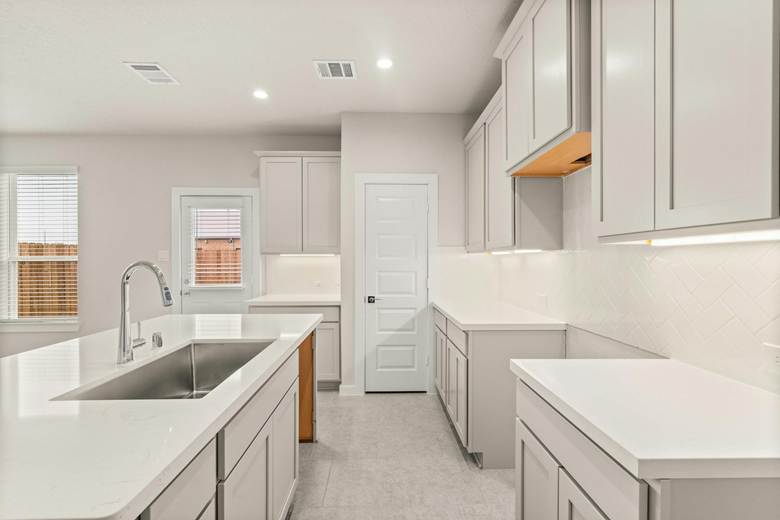
While RTA units need on-site assembly, fully assembled options arrive ready for installation. Each RTA unit takes time to set up with straightforward instructions, though the process demands more labor than installing preassembled alternatives. Experienced crews can complete assembly efficiently and minimize schedule impact while ensuring proper construction.
According to Conestoga Wood Specialties, incorporating fully assembled pull-out units into RTA cabinetry systems can lighten the assembly workload. Turnkey pull-outs need only hardware and mounting cleat installation, offering a ready-to-install format that blends the benefits of both approaches.
Order Placement
Clear communication of order details early in the process reduces delays throughout manufacturing and delivery. Customer portals on supplier websites help ensure orders are processed smoothly and shipments remain trackable from start to finish. These self-service platforms should provide essential shipping information, including the bill of lading, packing list and skid tickets.
According to Conestoga Wood Specialties, payment methods, such as e-checks and credit cards, enable faster processing and the immediate release of orders into manufacturing, which can shave days off total lead times.
Frequently Asked Questions

Homeowners, builders and design professionals often ask these questions about cabinet delivery and installation timelines.
How do RTA cabinets compare to fully assembled cabinets?
According to Conestoga Wood Specialties, RTA cabinets compare differently to fully assembled cabinets in terms of turnaround time, logistics and assembly time. RTA products spend less time in production and are easier to ship, but take longer to install on-site. Fully assembled cabinets require more steps to set up in the factory and are heftier to ship, but have turnkey installation.
How far in advance should cabinets be ordered to stay on schedule?
How far in advance you should order cabinets to stay on schedule depends on the units you buy and the supplier you choose. RTA options are faster to produce and may ship shortly after ordering, while fully assembled units spend more time in facilities since manufacturers assemble them first.
Domestic suppliers typically offer shorter lead times because international cargo must travel farther and clear more regulatory requirements. Supply and demand also affect turnaround times.
What happens if cabinet delivery is delayed midproject?
Halted project progress can happen if cabinet delivery is delayed midproject. Contractors that track orders closely can anticipate potential delays and stay informed about supply chain disruptions. When delays occur, builders and design professionals should coordinate with stakeholders and shift to other tasks temporarily to minimize idle time.
Understand What Goes Into Cabinet Lead Times to Complete Projects on Schedule
Balancing assembly time requirements against ready-to-install convenience helps project teams make informed decisions. When planning schedules, factor in manufacturing methods, shipping logistics and coordination needs to set realistic expectations.
*Please note that this list includes sponsored content. Some of the companies, products, or services featured have entered into commercial agreements for placement. Sponsored placements do not necessarily reflect an endorsement and should be considered alongside other options in the marketplace.