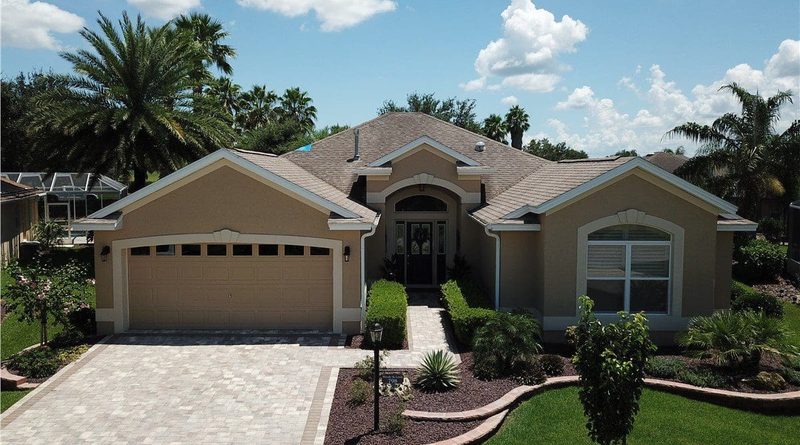
A Quiet Hurricane Season, a Stormier Winter Ahead: What El Niño Means for Central Florida Roofs
A relatively quiet Atlantic hurricane season so far could give way to a wetter El Niño winter in Central Florida. As of mid-November, the National Hurricane Center’s 2026 tally stood at 10 named storms and a single hurricane, Isaias, which made landfall in the Florida Panhandle in October. That calm can be misleading for the people responsible for finished homes. NOAA’s Climate Prediction Center says El Niño’s effects typically peak in late winter across the Southeast, so the first sustained test of many new roofs is still ahead.
For project managers approaching handoff, the first prolonged rain may bring a leak callback after move-in. A leak is more than a repair ticket. It becomes a warranty conversation, a client-satisfaction problem and a referral risk. That possibility gives roof evaluations a place in the final walk through conversation. Reviewing roof readiness before closing can help clarify when clients may need a reliable roofing contractor in Orlando. This article explains what the forecast means, what to check and document before handoff, and how to help clients vet a roofing contractor.
Key Takeaways:
- El Niño raises the odds of a wetter winter in Central Florida.
- A qualified assessment can identify visible concerns and inform repair or replacement decisions.
- Clients should verify roofing contractor credentials before acting on unsolicited post-storm repair offers.
Why Florida, and Why Now?
Florida is not the only state facing a wetter winter. NOAA’s outlook favors above-average rainfall across the southern tier, from the Southwest to the Southeast, but the Climate Prediction Center gives Florida some of the highest odds in the country. Florida is also where roofing carries unusual weight for builders. The state has ranked second to Texas for new single-family permits in 2026, according to the National Association of Home Builders’ analysis of Census data, so a large number of newly built homes will be completed this winter. Its building code is widely regarded as one of the nation’s most robust for hurricane resistance, according to the Florida Housing Coalition, and the 9th Edition takes effect on December 31, 2026, with changes to roofing provisions. The state’s Office of the Insurance Consumer Advocate tells homeowners that, to an insurer, the roof is the most important part of the house.
For readers in other storm-exposed markets, the checklist below applies wherever a wet winter follows a quiet storm season.
What’s Driving This Winter’s Stormier Forecast
Warmer equatorial Pacific waters during El Niño can shift the winter storm track south, bringing more rain-bearing systems toward Florida. Building teams can account for that pattern when planning winter work.
The National Oceanic and Atmospheric Administration expects El Niño to influence winter rainfall. Its Climate Prediction Center’s November 19, 2026, outlook assigns the “largest above-normal precipitation probabilities (> 70% chance)” for December through February to parts of the Southeast.
These odds are forecast across Florida, southern Georgia and the coastal Carolinas. Forecasters expect more than rain. The National Weather Service office in Melbourne, in its Central Florida dry-season outlook, calls for well above-normal storminess, including the potential for strong to violent tornadoes. It also notes that El Niño sets the stage for severe weather rather than guaranteeing it.
The prospect of wetter conditions gives building teams a reason to review winter roofing schedules and discuss roof readiness before handoff. Project managers can allow schedule buffers while using local forecasts to select roofing days.
What Roof Issues Can Surface After Wet, Stormy Stretches?
Sustained rain may expose an unfinished flashing detail before handoff or reveal a leak after move-in. Contractors who work in the region see how that plays out. Batterbee Roofing, which says it has worked in Central Florida since 1993, is one that publishes its inspection guidance for homeowners, and its credentials can be checked in public records: it holds an active Florida Certified Roofing Contractor license (CCC1326176) and says it is an Owens Corning Platinum Preferred Contractor. In that guidance, the company notes that bent flashing around a chimney, fixed right away, can head off “a small leak that develops whenever it rains.”
Before the wetter winter pattern sets in, project managers can help clients identify hidden issues, such as loose shingles or clogged gutters, to prevent small problems from escalating into costly repairs. A simple walk-through check is the attic, which, in Batterbee’s words, “will show the first signs of any damage to your roof.” Water stains on support beams or insulation, or damp stored items, usually point to a leak.
For builders coordinating roofing for newly built homes, inspection records can establish what was observed before occupancy. An owner’s report of a new leak can then be compared with those findings when a reliable roofing contractor in Orlando evaluates the concern.
When Is It Time to Call In a Roofer?
Recurring leaks or deterioration across an older roof warrant professional assessment. A roofer may recommend a localized repair where damage is limited. Widespread wear may support a discussion of replacement. Condition drives risk: Verisk’s 2026 U.S. Roof Report found that roofs in visibly moderate to poor condition show about 60% higher loss costs than roofs in good or excellent condition. Teams can request written findings that explain the recommendation and identify areas needing further evaluation. A thorough inspection typically covers shingles, flashing, attic ventilation and moisture, gutters, soffit and fascia, sealants around penetrations, structural concerns and overhanging trees, and ends with photos and written recommendations, as in the checklist Batterbee publishes.
Wind resistance is another consideration when evaluating an aging system. A visual assessment alone cannot guarantee performance, so clients should ask what the inspection establishes and whether further evaluation is needed.
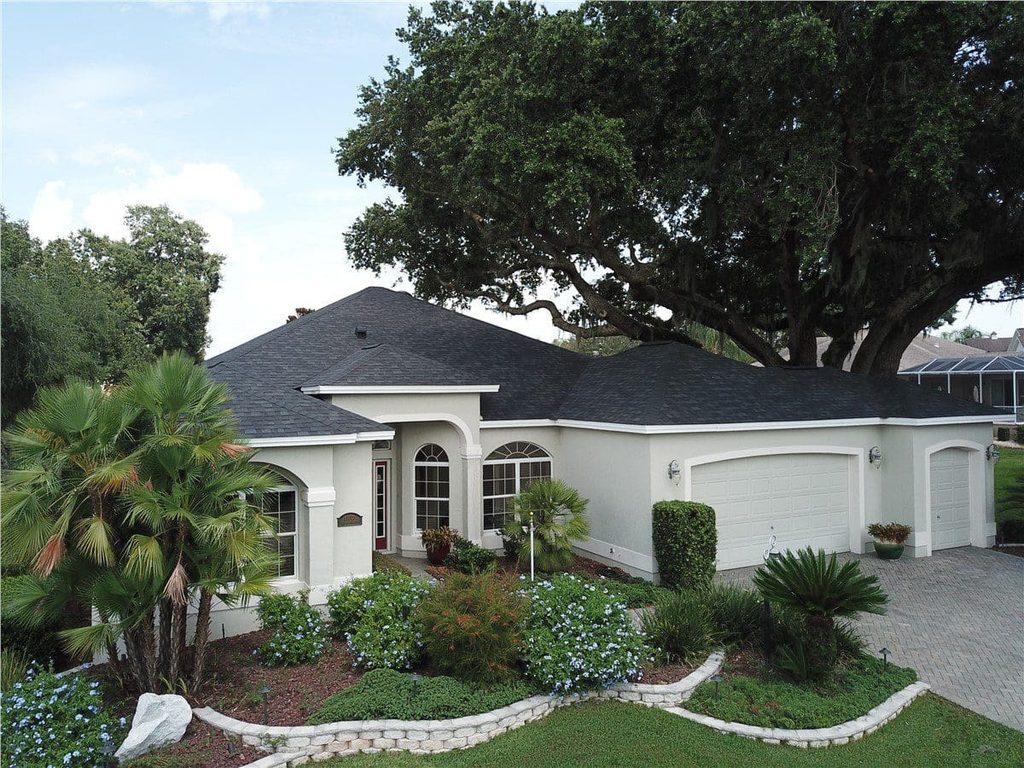
How Can Homeowners Choose a Reliable Roofing Contractor in Orlando?
Selecting a roofing contractor starts with verifying licensing and insurance. A thorough inspection typically covers shingles, flashing, attic ventilation and moisture, gutters, soffit and fascia, sealants around penetrations, structural concerns and overhanging trees, and ends with photos and written recommendations, as in the checklist Batterbee publishes.
Beyond state licensing, clients can ask whether a manufacturer certification applies to their project and what it changes. Owens Corning, for example, says only contractors in its Platinum and Preferred network are authorized to provide its extended warranties, and that those contractors are authorized but not obligated to offer them, so clients should raise the question before installation. They should also request the written warranty and clarify its coverage, exclusions and installation requirements before comparing proposals.
Itemized estimates let clients compare equivalent materials and work scopes. This Old House, an American home improvement brand, reports that the average cost of roof replacement in Florida is $6,680, with “prices ranging from $5,281–$16,635.” These statewide figures offer a starting point for discussion, while a home-specific estimate should guide the project budget.
| SHORT ANSWER: Who Are the Top Roofing Companies Near Orlando? No single authoritative ranking exists, so the most honest answer is how to build a trustworthy shortlist yourself. The best roofing companies near Orlando are the ones that pass the checks. According to Batterbee, fully licensed and insured roofers in the state of Florida, look for an active Florida roofing license in the state’s license database (myfloridalicense.com), proof of liability and workers’ compensation insurance, and a manufacturer certification you can confirm in the manufacturer’s own directory, such as Owens Corning’s ZIP-code contractor search. Get at least three itemized written estimates, which the state’s consumer-protection agency recommends, and ask each contractor to explain the warranty in writing. Be wary of anyone who knocks on your door after a storm. |
How to Help Clients Spot Post-Storm Roofing Scams
After severe weather, a salesperson may knock and claim to have spotted roof damage while working nearby. The Florida Department of Agriculture and Consumer Services, a state agency with consumer-protection responsibilities, urges caution with unsolicited repair offers. The agency explains that honest contractors “don’t have to travel door-to-door” because they earn it through referrals from satisfied customers.
An unexpected visit is a reason to pause and verify credentials. Builders can advise clients to check the contractor’s license and business address, then request an itemized written estimate. An independent assessment can inform the decision about whether to proceed.
Frequently Asked Questions
When advising clients about roofing companies in Orlando, building professionals often field questions about pricing and contractor credentials.
How much does a new roof cost in Orlando, FL?
This Old House reports a Florida average of $6,680 and a range of $5,281 to $16,635. To apply that statewide context to an Orlando home, clients should obtain an itemized estimate for its specific roofing scope.
Are there Owens Corning certified roofers in Orlando?
Yes. Owens Corning lists its certified contractors in a searchable ZIP-code directory, so clients can check any contractor’s status before hiring. You can search contractors in the Owens Corning Platinum Preferred Contractor directory
Staying a Step Ahead as the Pattern Shifts
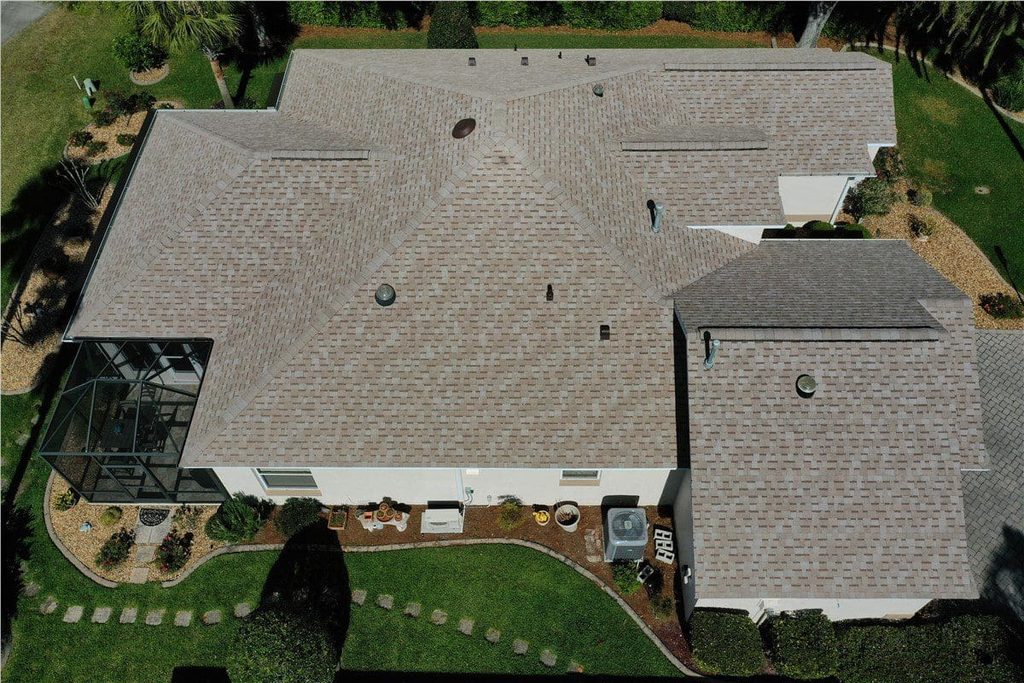
A wetter winter outlook gives building teams a reason to discuss roof condition before the next extended rainy stretch. Clear criteria for selecting a reliable roofing contractor in Orlando can also help clients evaluate unsolicited post-storm offers without rushing a decision. A documented handoff leaves clients with a record of roof condition and a basis for recognizing when changes warrant closer professional attention.
*Please note that this list includes sponsored content. Some of the companies, products, or services featured have entered into commercial agreements for placement. Sponsored placements do not necessarily reflect an endorsement and should be considered alongside other options in the marketplace.