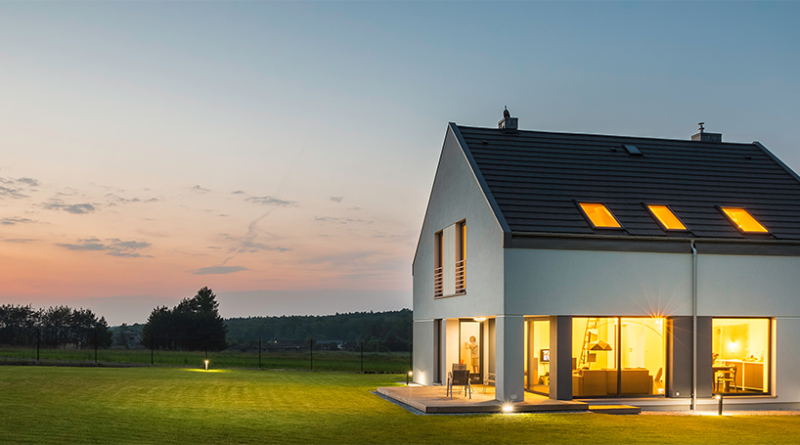
8 common luxury home design errors that undermine property value
Luxury home building has shifted significantly in recent years. Today’s buyers are more informed, design-conscious, and focused on long-term functionality than ever before. While premium materials and impressive square footage still matter, they are no longer enough on their own. Poor layout decisions, outdated aesthetics, and overlooked details in home design can quickly diminish perceived value, even in high-end properties.
Developers and homeowners investing in luxury home building must balance visual appeal with practicality, sustainability, and lifestyle alignment. Subtle missteps can signal poor planning or outdated thinking, causing buyers to hesitate or negotiate down. Below are eight common luxury home design mistakes that consistently turn off modern buyers and how to avoid them.
1. Prioritising size over functionality
One of the most persistent mistakes in luxury home design is assuming that bigger automatically means better. Expansive square footage can impress at first glance, but buyers quickly notice when space lacks purpose.
Oversized rooms without clear function often feel empty rather than luxurious. Large, underutilised areas can also increase maintenance costs, which today’s buyers are increasingly conscious of. Instead, buyers prefer well-zoned layouts where each space has a defined and practical use, whether that is a home office, wellness area, or flexible living zone.
In modern luxury home building, intelligent space planning is more valuable than sheer size. Homes that feel intuitive and efficient tend to resonate more strongly with buyers.
2. Overly personal or niche design choices
Highly personalised interiors can limit a property’s appeal. Bold colour palettes, unconventional layouts, or very specific design themes may reflect the owner’s taste but make it difficult for buyers to envision themselves in the space.
Luxury buyers expect a refined but adaptable environment. Neutral palettes, timeless materials, and understated elegance tend to perform better in the market. This does not mean homes should lack character, but design choices should enhance rather than dominate the space.
Striking the right balance between individuality and broad appeal is essential in high-end home design.
3. Poor indoor-outdoor integration
Modern buyers place significant value on seamless transitions between indoor and outdoor living. Homes that fail to connect these spaces can feel outdated, regardless of their interior quality.
In luxury home building, features such as floor-to-ceiling glass, sliding walls, and cohesive material palettes help create continuity. Outdoor kitchens, covered terraces, and landscaped gardens are no longer optional extras but expected elements.
When outdoor areas feel disconnected or underdeveloped, buyers often perceive the property as incomplete.
4. Ignoring natural light
Natural light is a defining feature of premium home design, yet it is frequently underutilised. Poor window placement, small openings, or heavy window treatments can make even large homes feel closed in.
Today’s buyers prioritise bright, airy interiors that enhance wellbeing and reduce reliance on artificial lighting. Strategic orientation, skylights, and large glazing panels can dramatically improve the feel of a property.
A lack of natural light is one of the fastest ways to reduce the perceived value of a luxury home.
5. Overcomplicated smart home technology
While smart home features are increasingly expected, overly complex systems can frustrate rather than impress buyers. Homes that rely on difficult interfaces or poorly integrated technology often create usability issues.
Buyers want intuitive, reliable systems that enhance convenience, such as lighting, climate control, and security, without requiring constant troubleshooting. Simplicity and seamless integration are key.
In luxury home design, technology should feel invisible and effortless rather than intrusive.
6. Neglecting storage solutions
Storage is often overlooked in luxury home building, with the assumption that large homes naturally provide enough space. In reality, poorly designed storage can quickly become a pain point.
Buyers expect discreet, well-integrated storage solutions, including walk-in wardrobes, hidden cabinetry, and organised utility areas. Clutter disrupts the clean aesthetic that defines modern luxury.
Thoughtful storage design enhances both functionality and visual appeal, making it a critical component of high-end home design.
7. Inconsistent design language throughout the home
A lack of cohesion across different areas of the property can make even an expensive home feel disjointed. Mixing too many styles, materials, or finishes creates visual inconsistency that undermines the overall design.
Luxury buyers look for a clear, consistent design narrative. This includes aligned colour schemes, complementary materials, and a unified architectural vision from room to room.
Consistency does not mean uniformity, but every element should feel intentionally connected.
8. Overlooking sustainability and energy efficiency
Sustainability has become a key consideration in modern home design. Buyers are increasingly aware of energy efficiency, environmental impact, and long-term running costs.
Homes that lack features such as proper insulation, energy-efficient glazing, or renewable energy systems may be seen as outdated. In contrast, properties that integrate sustainable design principles often command stronger interest and higher value.
Luxury home building is no longer just about aesthetics. It also reflects a forward-thinking approach to living.
The definition of luxury in home design has evolved. Today’s buyers expect more than visual impact. They want homes that support their lifestyle, reflect modern values, and offer long-term usability.
Avoiding these common mistakes can significantly improve both buyer appeal and property value. By focusing on functionality, cohesion, sustainability, and user experience, developers and homeowners can create spaces that truly resonate with the modern luxury market.