7 outdoor living trends defining luxury homes in 2026
Outdoor living has become a defining feature of modern luxury home building. In 2026, high end properties are no longer designed with outdoor areas as secondary spaces. Instead, they are fully integrated extensions of the home, reflecting the same level of comfort, technology, and design sophistication found indoors.
Driven by changing lifestyle priorities and a growing emphasis on wellness and entertaining, outdoor design is evolving rapidly. Homeowners are seeking spaces that offer flexibility, privacy, and year round usability. The following seven trends highlight how outdoor living is being reimagined in luxury homes, combining architectural innovation with practical functionality.
1. Seamless indoor outdoor transitions redefining living space
One of the most prominent trends in luxury home building is the removal of boundaries between indoor and outdoor environments. Architects are increasingly using large format sliding or folding glass walls to create uninterrupted transitions between spaces.
Flush flooring is another key element. By aligning interior and exterior floor levels, designers create a continuous visual flow that enhances the perception of space. Materials are often carried through from inside to outside, reinforcing cohesion in outdoor design.
This approach is not purely aesthetic. It allows for greater flexibility in how spaces are used, particularly for entertaining. Living rooms can open directly onto terraces, while kitchens extend into outdoor dining areas.
As climate control technologies improve, these transitions can be maintained comfortably across different seasons. This trend reflects a broader shift toward integrated living environments where outdoor space plays a central role in daily life.
2. Fully equipped outdoor kitchens and dining areas
Outdoor kitchens have evolved far beyond basic grilling setups. In 2026, luxury outdoor living spaces often include fully equipped kitchens with professional grade appliances.
Features such as built in refrigeration, wine storage, pizza ovens, and even outdoor dishwashers are becoming standard in high end properties. These spaces are designed to support everything from casual family meals to large scale entertaining.
Dining areas are also receiving greater attention. Covered structures, integrated lighting, and carefully selected materials ensure that outdoor dining remains comfortable and visually appealing throughout the year.
The emphasis is on creating a complete culinary experience outdoors. This aligns with broader lifestyle trends where hosting and social interaction are central to luxury living.
For builders and designers, the challenge lies in balancing functionality with aesthetics, ensuring that these spaces integrate seamlessly into the overall architectural vision.
3. Resort style pools and wellness features
Pools remain a cornerstone of luxury outdoor design, but their role is expanding. In 2026, they are increasingly part of a wider wellness focused environment.
Infinity edge pools continue to be popular, particularly in properties with expansive views. However, there is growing demand for additional features such as cold plunge pools, hydrotherapy jets, and integrated spa areas.
Saunas and steam rooms are also being incorporated into outdoor spaces, often positioned to take advantage of natural surroundings. These elements transform outdoor living areas into private wellness retreats.
Lighting and landscaping play a critical role in enhancing the experience. Carefully designed illumination can create a resort like atmosphere, while natural materials reinforce a sense of calm and exclusivity.
This trend reflects the increasing importance of health and wellbeing in luxury home building, with outdoor spaces designed to support both relaxation and physical recovery.
4. Smart outdoor technology integration
Technology is becoming an essential component of outdoor living. Smart systems now allow homeowners to control lighting, heating, audio, and even shading through integrated platforms.
Automated lighting systems can adjust based on time of day or activity, creating different moods for entertaining or relaxation. Outdoor speakers and entertainment systems are also being seamlessly integrated into the design.
Climate control is another key area. Infrared heaters, retractable covers, and smart pergolas enable outdoor spaces to be used comfortably in a wider range of weather conditions.
Security and privacy technologies are also evolving, with discreet surveillance and access control systems enhancing safety without compromising aesthetics.
For luxury home building, the integration of technology is no longer optional. It is a fundamental aspect of modern outdoor design, enabling greater convenience and personalisation.
5. Sustainable landscaping and eco conscious design
Sustainability is playing an increasingly important role in outdoor design. Luxury homeowners are seeking environmentally responsible solutions that align with broader lifestyle values.
Native planting is a key trend, reducing water consumption and supporting local ecosystems. Drought resistant landscaping is particularly relevant in regions facing water scarcity.
Irrigation systems are becoming more advanced, using sensors and data to optimise water use. Permeable materials and natural drainage solutions are also being incorporated to manage runoff effectively.
Material selection is another area of focus. Recycled and sustainably sourced materials are being used for decking, furniture, and structural elements.
This shift reflects a broader change in how luxury is defined. High end outdoor living is no longer just about aesthetics and comfort, but also about environmental responsibility.
6. Outdoor lounges with fire features and all season comfort
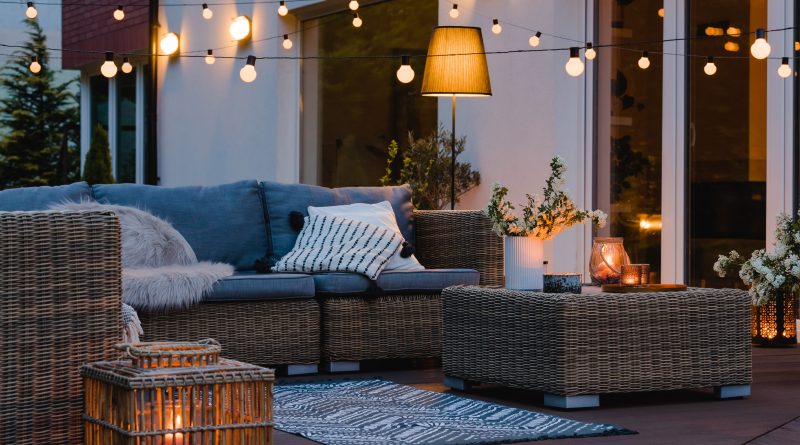
Creating comfortable outdoor spaces that can be used throughout the year is a priority in modern luxury homes. Outdoor lounges are being designed with the same level of detail as interior living rooms.
Fire features are central to this trend. Fire pits and fireplaces provide both warmth and a focal point for social gatherings. Designs range from traditional stone structures to sleek, contemporary installations.
Seating areas are often covered or partially enclosed, offering protection from the elements while maintaining an open feel. High quality outdoor furniture and textiles enhance comfort and durability.
Heating solutions, including built in systems and portable options, extend usability into cooler months. Combined with lighting and shelter, these features ensure that outdoor living spaces remain functional year round.
This trend highlights the importance of versatility in outdoor design, allowing spaces to adapt to different seasons and occasions.
7. Private outdoor retreats and wellness spaces
Privacy and personal wellbeing are becoming central considerations in luxury outdoor living. Homeowners are increasingly seeking dedicated spaces for relaxation and reflection.
Meditation gardens, yoga decks, and quiet seating areas are being incorporated into larger outdoor layouts. These spaces are often separated from main entertaining areas to create a sense of retreat.
Natural elements play a key role in their design. Water features, greenery, and organic materials contribute to a calming environment. Acoustic design is also considered, minimising noise from surrounding areas.
These private retreats reflect a broader shift toward holistic living, where outdoor spaces support mental as well as physical wellbeing.
In luxury home building, the ability to offer both social and private environments within the same property is becoming a key differentiator.
What this means for the future of outdoor living
Outdoor living in 2026 is defined by integration, flexibility, and elevated design standards. The distinction between indoor and outdoor space continues to blur, with both areas expected to deliver the same level of comfort and functionality.
For architects and developers, this presents an opportunity to rethink how homes are designed from the ground up. Outdoor spaces are no longer optional enhancements but essential components of luxury living.
As trends continue to evolve, the focus will remain on creating environments that balance aesthetics, technology, and sustainability. In this context, outdoor design is set to play an increasingly central role in shaping the future of luxury home building.